

Affordable Dog Carrier Backpack Reviews for Every Budget
Affordable Dog Carrier Backpack Reviews for Every Budget: Trusted Insights for Safe and Comfortable Outdoor Adventures
Selecting the right dog carrier backpack can feel overwhelming. This guide breaks down the practical features that matter most — safety, comfort, and durability — and reviews budget-friendly options built for hiking and camping. You'll get sizing guidance, key safety checks, and practical tips so you can choose a carrier that performs reliably on outdoor trips.
Choosing the right carrier starts with understanding your setup—this guide on how to choose a dog hiking backpack or carrier breaks down how to match gear, fit, and real trail conditions.
Key Takeaways
- Affordable dog carrier backpacks prioritize safety, comfort, and durability for outdoor adventures with pets.
- Key safety features include body support, ventilation, and secure straps to protect dogs during travel.
- Durable backpacks use tear-resistant, weather-resistant materials with reinforced stitching and robust zippers.
- Proper sizing requires measuring weight, chest circumference, length, height, and girth for optimal fit.
- Ergonomic and adjustable designs enhance comfort for both dogs and owners during extended hikes.
- Lightweight and breathable backpacks improve mobility and reduce strain for outdoor activities.
- Integrated safety harnesses and secure closures prevent escapes and ensure pet safety on the move.
- Regular cleaning with mild detergents and proper storage extend the lifespan of dog carrier backpacks.
- User reviews and expert comparisons help identify the best affordable dog carrier backpacks for hiking and camping.
Which Affordable Dog Carrier Backpacks Offer the Best Safety and Durability?
Safety and durability should drive your choice. Good carriers protect your dog, reduce strain, and stand up to outdoor conditions. Focus on proven design features and construction quality when comparing models.
Key Safety Features to Look for in Dog Carrier Backpacks
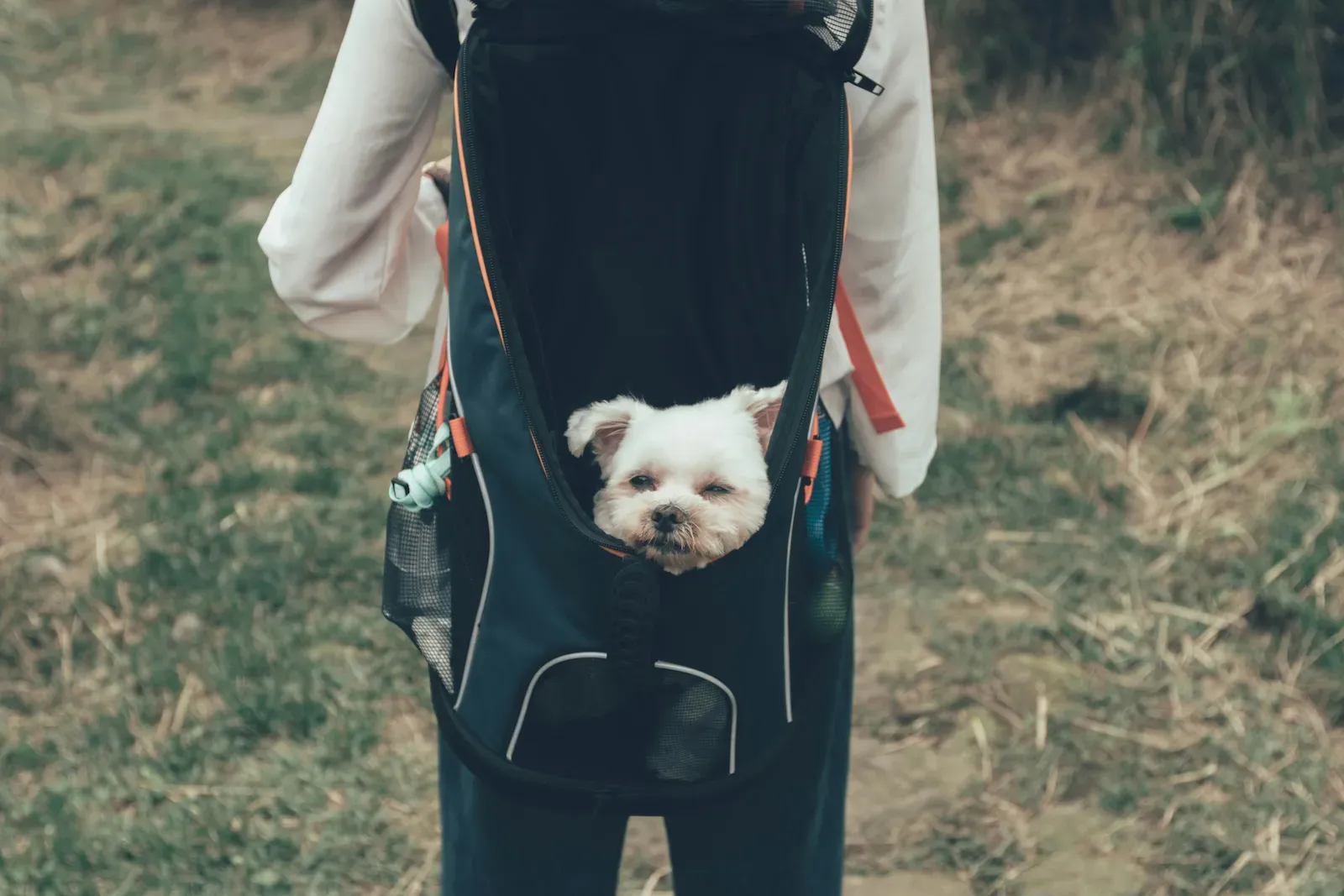
Safety features determine how well a carrier performs in the field. Prioritise elements that keep your dog secure and comfortable during travel.
- Support for the Dog's Body: A well-designed carrier should provide adequate support to prevent strain on your dog's body, especially during long hikes.
- Ventilation and Comfort: Mesh panels allow for airflow, keeping your dog cool and comfortable while preventing overheating.
- Secure Straps and Clips: High-quality straps and clips ensure that your dog remains securely in place, reducing the risk of escape or injury.
When combined, these features reduce the risk of injury and improve comfort on trails and campsites. Make them a priority in your selection process.
Materials and Construction Ensuring Long-Lasting Durability
Material choice and construction determine how a carrier holds up outdoors. Look for fabrics and components designed for repeated use and exposure to weather.
- Types of Materials Used: Look for backpacks made from high-quality, tear-resistant fabrics that can withstand the rigors of outdoor use.
- Weather Resistance: A durable backpack should be water-resistant or waterproof to protect your dog from the elements.
- Construction Quality: Reinforced stitching and robust zippers contribute to the overall longevity of the backpack, ensuring it can handle various terrains and conditions.
Choosing a well-constructed carrier reduces the chance of failure in the field and extends the product's usable life.
If you're unsure whether a carrier is the right option, compare both systems in dog backpack vs carrier to determine what works best for your dog.
How to Choose the Right Size and Fit for Your Dog Carrier Backpack?
Fit affects safety and comfort. An accurate fit prevents chafing, reduces movement inside the carrier, and distributes weight properly for you and your dog.
Measurement Guidelines
Follow straightforward measurements to confirm a carrier is suitable for your dog.
- Weight Limits: Check the manufacturer's weight limit to ensure your dog is within the acceptable range for the carrier.
- Chest Size Compatibility: Measure your dog's chest circumference to find a carrier that accommodates their size comfortably.
- Fit and Support Structure: Look for carriers that offer adjustable straps and support structures to provide a snug fit.
Recording weight, chest, and structural fit helps you select a carrier that supports your dog without restricting movement.
Fit Considerations for Different Dog Breeds
Breed shapes affect fit. Match carrier style to your dog's body type to avoid pressure points and ensure comfort on long outings.
- Best Carriers for Small Dogs: Small breeds often require carriers with a snug fit and additional padding for comfort.
- Structured Carriers for Medium Dogs: Medium-sized dogs benefit from structured carriers that provide support without restricting movement.
- Options for Larger Dogs: Larger breeds need spacious carriers that allow them to sit and lie down comfortably.
Select carriers designed for your dog's proportions rather than relying on generic size labels.
Tips for Ensuring Comfort and Safety
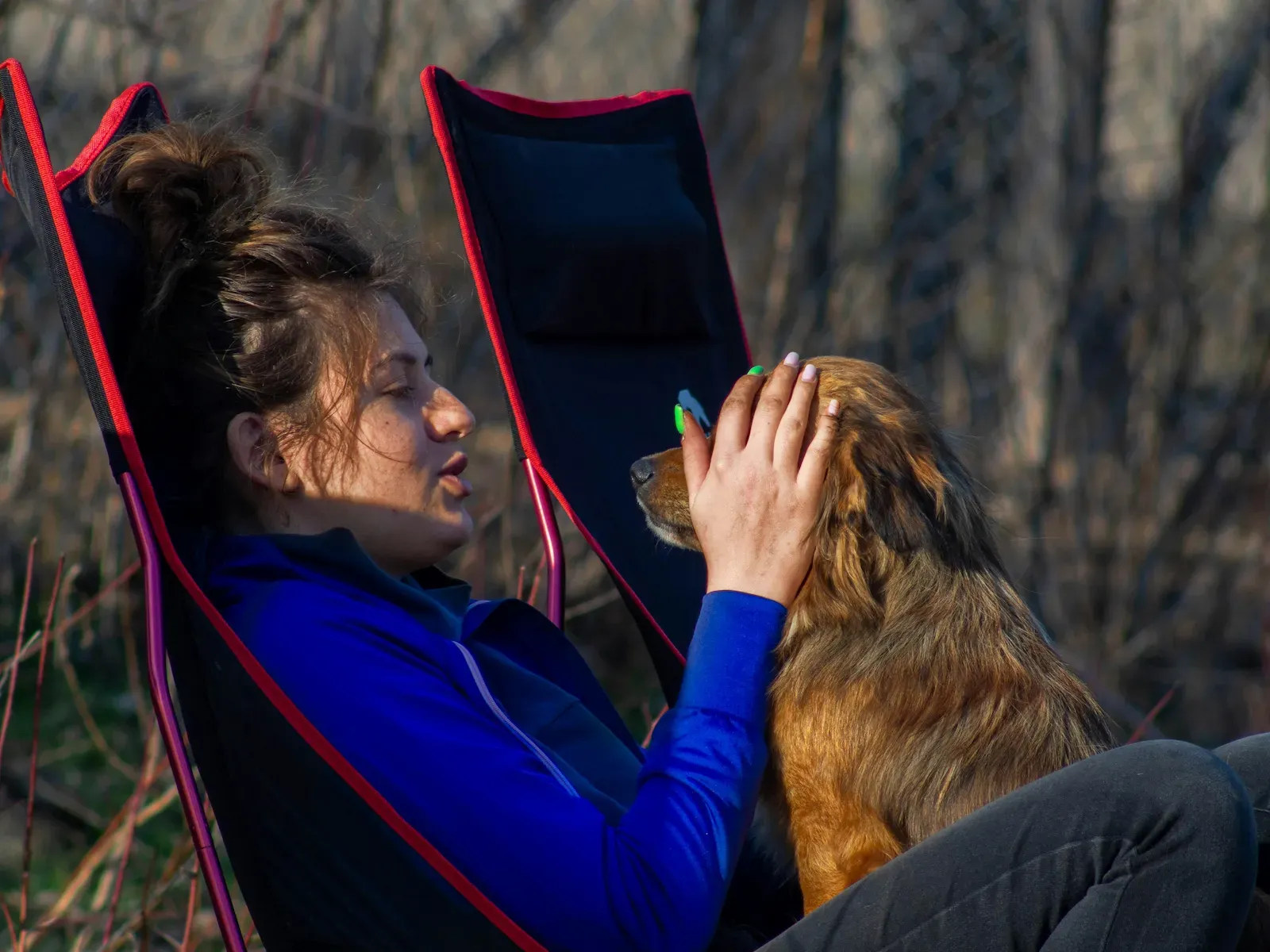
Practical preparation improves the experience. Introduce the carrier gradually and plan breaks during longer trips to reduce stress and fatigue.
- Familiarization: Allow your dog to explore the carrier at home before taking them on an adventure.
- Regular Breaks: During long hikes, take regular breaks to let your dog stretch and relieve themselves.
- Monitor for Signs of Discomfort: Keep an eye on your dog for any signs of discomfort, such as whining or restlessness.
Simple routines — short practice sessions, scheduled rests, and observation — make outdoor trips safer and more comfortable.
Signs of Discomfort
Recognising discomfort early prevents escalation. Use clear behavioural cues to decide when to stop, adjust, or remove your dog from the carrier.
- Whining or Barking: Vocalizations can indicate that your dog is uncomfortable or anxious.
- Restlessness: If your dog is constantly shifting or trying to escape the carrier, it may not be the right fit.
- Panting or Excessive Drooling: These can be signs of stress or overheating, indicating that your dog needs a break.
Responding quickly to these signs helps prevent stress-related issues and keeps your dog safe on the trail.
Measuring Your Dog for Optimal Comfort and Support
Take three core measurements to match your dog to the right carrier size.
- Measure Length: From the base of the neck to the base of the tail.
- Measure Height: From the ground to the top of the shoulders.
- Measure Girth: Around the widest part of the chest.
Use these measurements against the manufacturer's sizing chart to confirm the carrier provides adequate support and clearance.
Proper sizing and load matter—review how much weight a dog can safely carry while hiking before choosing a carrier.
If you're planning overnight trips, this dog camping checklist ensures you don’t miss critical gear or safety items.
Adjustable and Ergonomic Design Elements for Owners and Pets
Ergonomic features reduce strain for the owner and improve stability for the dog. Prioritise adjustable components that let you fine-tune the fit.
- Padded Straps: Ensure that the straps are padded to reduce strain on your shoulders during long hikes.
- Adjustable Fit: Look for carriers with adjustable straps to customize the fit for your body type.
- Ergonomic Design: An ergonomic design helps distribute weight evenly, making it easier to carry your dog comfortably.
Well-designed padding, adjustable straps, and balanced weight distribution make longer carries practical and comfortable.
Academic and product research consistently highlights ergonomic shape, airflow, and robust materials as key drivers of comfort and long-term performance in pet carriers.
Proper fit is critical for both safety and comfort—learn how to fit a dog hiking backpack correctly before heading out.
Ergonomic Pet Carrier Backpack Design for Comfort & Functionality
The study presents a multifunctional carrier that combines features of a pet cargo bag, an astronaut-style bag, and a tote. It specifies technical elements such as waterproof material, adequate air ventilation, an ergonomic shape, and foldable storage. The design also considers aesthetic adaptability with neutral or cheerful colour options for urban users. The results aim to improve comfort for owners and pets, support modern lifestyles, and drive innovation in pet product design in Indonesia.
PERANCANGAN ERGONOMI SHOULDER STRAPS BACKPACK DAN BACKPANEL (AIRFLOW BACK SYSTEM) PADA PET CARRIER MODEL ASTRONOT, 2026
What Are the Top Affordable Dog Carrier Backpacks for Hiking and Camping?
The right carrier makes hiking and camping more practical. Below are budget-friendly options that balance performance and cost for outdoor use.
Lightweight and Breathable Backpacks Suitable for Outdoor Activities
Lightweight, breathable carriers reduce effort and improve comfort for both dog and owner on the trail.
- Benefits of Lightweight Design: A lightweight design reduces the overall burden on the owner, making it easier to carry your dog for extended periods.
- Best Uses for Lightweight Carriers: These carriers are perfect for day hikes, camping trips, and casual outings.
- User Experiences: Many users report that lightweight carriers enhance their outdoor experience by allowing for greater mobility.
For active outings, choose carriers with lightweight frames and ventilated panels to maintain mobility without sacrificing support.
The right gear makes a major difference—these are the best dog hiking backpacks built for real trail use and durability.
Comparing Trail Teck Products with Competitor Offerings
Trail Teck designs backpacks for active use with ergonomic support and breathable panels. The table below compares these practical features and price points against common alternatives.
| Product | Feature | Price |
|---|---|---|
| Trail Teck Adventure Pack | Ergonomic design, breathable mesh | $89.99 |
| Competitor A | Basic design, limited ventilation | $79.99 |
| Competitor B | Heavier, less support | $99.99 |
Trail Teck models emphasise ergonomic support and airflow, which helps reduce heat and distribute weight more evenly during outdoor activities.
If you're comparing options, start with the best dog hiking backpacks designed for comfort and performance.
How Do Dog Carrier Backpacks Enhance Safety and Comfort During Travel?
Carriers combine restraint, support, and comfort features to reduce risk and keep dogs calm while you travel or hike. Good designs address both containment and ventilation.
Integrated Safety Harnesses and Secure Closures
Integrated harness points and reliable closures reduce the chance of escapes and sudden movements. Look for tested attachment points and lockable fastenings.
Comfort Features That Reduce Stress for Dogs on the Move
Padded straps, breathable fabrics, and adjustable fits lower stress by improving stability and airflow. These elements let dogs rest more easily while being carried.
If you're still deciding between systems, compare both options in dog backpack vs carrier to determine the safest and most practical setup.
What Maintenance and Care Practices Extend the Life of Dog Carrier Backpacks?
Routine care preserves performance. Clean and store carriers according to material recommendations to avoid premature wear.
Cleaning Guidelines for Durable Outdoor Gear
Simple cleaning steps protect materials and hardware, keeping the carrier safe and functional over time.
- Regular Cleaning: Clean your backpack after each use to remove dirt and debris.
- Use Mild Detergents: Opt for mild detergents to avoid damaging the materials.
- Air Dry: Allow the backpack to air dry completely before storing it.
Following these cleaning steps helps prevent fabric breakdown and zipper corrosion, extending the carrier's usable life.
Storage Tips to Preserve Material Integrity
Store carriers in ways that avoid deformation and moisture damage to preserve shape and performance.
- Store in a Cool, Dry Place: Avoid exposing the backpack to direct sunlight or moisture.
- Avoid Heavy Loads: Do not overload the backpack when storing it, as this can cause deformation.
- Use a Storage Bag: Consider using a storage bag to protect the backpack from dust and damage.
Proper storage prevents material fatigue and keeps straps and fastenings functioning as designed.
Where Can Customers Find Reliable Reviews and Testimonials for Affordable Dog Carrier Backpacks?
Seek reviews that describe real-world use on trails and campsites. Practical user feedback and expert tests reveal how a carrier performs over time and under stress.
User Experiences Highlighting Performance in Real Outdoor Settings
User reports that include trip conditions, duration, and outcomes provide the most useful insight. Look for specifics on comfort, durability, and ventilation under real conditions.
Expert Reviews and Product Comparisons for Informed Decisions
Expert tests and side-by-side comparisons can highlight construction differences, material choices, and ergonomic performance. Use those analyses to compare models against your needs.
Combining user feedback with expert evaluations gives a clearer picture of which affordable carriers hold up in real outdoor use.
For more information on outdoor adventures with your dog, Trail Teck offers a variety of resources.
Frequently Asked Questions
What should I consider when selecting a dog carrier backpack for air travel?
Confirm the airline's size and weight rules before buying. Choose an airline-approved carrier with good ventilation, secure closures, and a lightweight, easy-to-handle design. Padded straps help when you need to carry the bag through terminals.
How can I train my dog to use a carrier backpack effectively?
Acclimatise your dog gradually. Let them explore the carrier at home, reward calm behaviour, and build up short practice sessions before longer outings. Increase time and distance slowly and always watch for signs of stress.
Are there specific dog breeds that benefit more from using a carrier backpack?
Smaller and some medium breeds often gain the most from carriers, especially on long walks or rough terrain. Larger breeds may need spacious or specialised carriers when terrain makes carrying the dog the safer option. Match the carrier to the breed's size and posture.
What are the best practices for introducing my dog to a carrier backpack?
Introduce the carrier in a familiar space and make it inviting with treats or toys. Encourage short entries, then brief carries. Gradually extend sessions and reward calm behaviour to build a positive association.
How do I know if my dog is comfortable in the carrier backpack during hikes?
Watch for vocalising, excessive panting, restlessness, or attempts to escape. Pause regularly to let your dog stretch and hydrate. If stress signs persist, adjust the fit or stop carrying to reassess comfort.
Many of these issues are caused by overload—review how much weight a dog can safely carry while hiking before continuing longer trips.
What are the advantages of using a dog carrier backpack over traditional carriers?
Backpacks free your hands, distribute weight ergonomically, and usually offer better ventilation and mobility for outdoor use. They make it easier to navigate uneven terrain while keeping your dog secure and comfortable.
A strong setup starts with the right gear—these are the best dog hiking backpacks tested for real-world use.
A complete system matters more than any single product—this guide on how to choose a dog hiking backpack or carrier helps you build a setup that actually works in real conditions.
Conclusion
Choosing a quality dog carrier backpack improves safety and comfort for both you and your dog on outdoor trips. Prioritise ergonomic design, secure closures, and durable materials to reduce risk and increase comfort. Invest in a carrier that matches your dog’s measurements and your activity needs, and follow care guidelines to keep it performing over many adventures.