

Trail First Aid for Dogs: Quick Tips to Keep Your Pup Safe
Essential First Aid for Dogs on the Trail: Simple Steps for Emergency Care
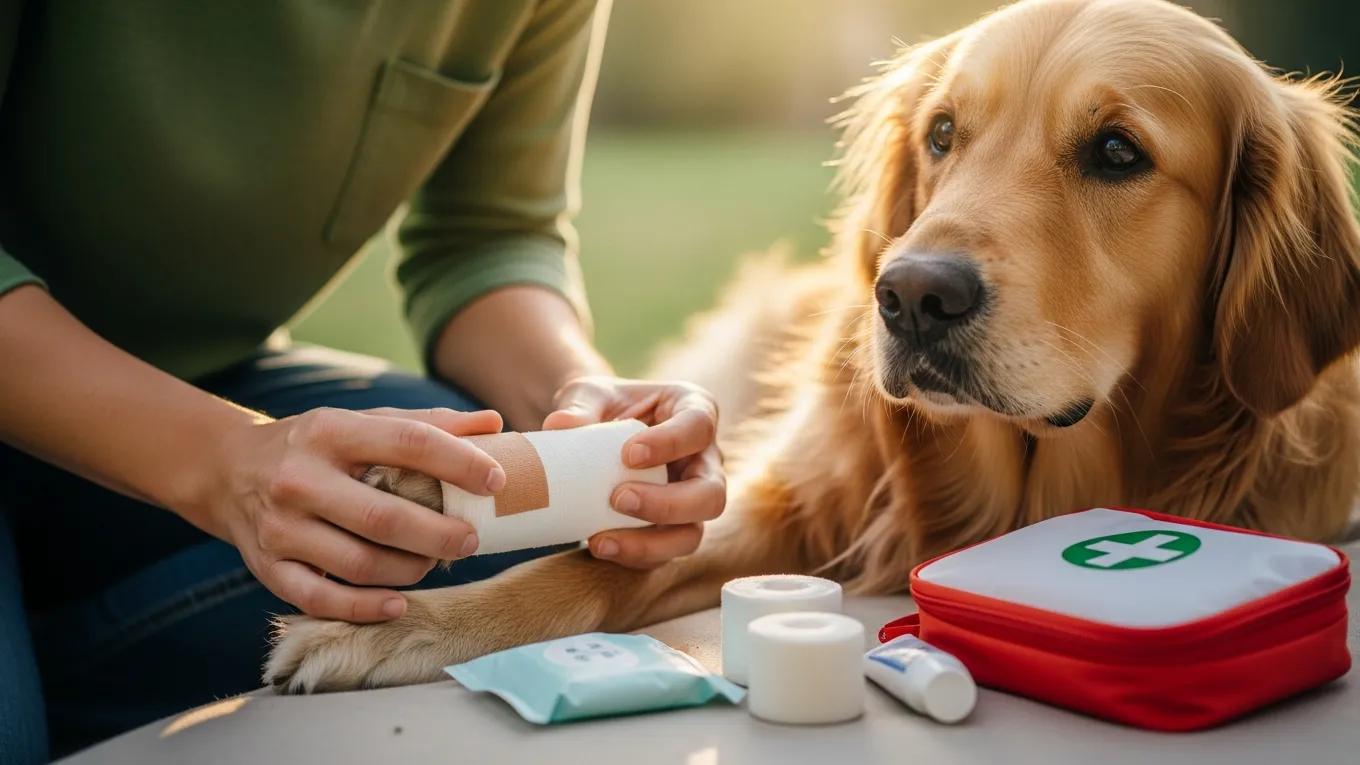
Heading into the outdoors with your dog? Knowing basic first aid can make the difference between a minor setback and a serious emergency. This guide walks you through the must-have items for a dog first aid kit, how to spot and treat common trail injuries, and practical steps to keep your dog safe while you hike. Many owners don’t realize how quickly outdoor situations can escalate—so packing the right supplies and knowing how to use them is essential. We’ll cover kit essentials, wound care, bandaging, immobilization, hydration, canine emergency preparedness, outdoor pet safety, injury prevention, and aftercare so you’re ready if something happens on the trail.
Whether you’re just a short distance from your car or deep in the backcountry, being prepared for canine emergencies matters—especially when vet care isn’t nearby. A well-packed dog emergency kit should be part of every outdoor trip, with emphasis on hiking dog safety equipment and dog first aid supplies, including specialized items like a dog med kit or hunting dog medical kit designed for rugged conditions.
Emergency Canine First Aid for Remote Areas and Hiking
If you hike in remote areas or work dogs in search-and-rescue or law enforcement, you need a plan for when veterinary help isn’t available. Rescuing Rover: A First Aid and Disaster Guide for Dog Owners offers clear, practical guidance for stabilizing a dog until you can reach professional care.
Rescuing Rover: A First Aid and Disaster Guide for Dog Owners, 1998
Author Expertise and Brand Authority
This article was written with input from professionals experienced in canine emergency care, wilderness safety, and pet emergency preparedness. The content reflects hands-on knowledge of dog health in outdoor settings, practical field experience, and outdoor dog training techniques.
Trailteck — a brand focused on dog hiking gear, outdoor dog safety, and training — backs this guide. Our gear and resources are designed with safety and real-world use in mind, making it easier to choose an appropriate dog hiking gear and respond effectively when minutes count with a dog emergency kit and pet first aid supplies, such as adventure medical kits and specialty gels like emt gel for dogs. We also offer extensive dog training resources to complement safety and first aid knowledge for outdoor activities.
For transparency and medical accuracy, this guide is authored by Dr. Emily Sanders, DVM, a Certified Veterinary Emergency and Critical Care Specialist with more than 15 years’ experience in canine emergency medicine. Her expertise ensures the clinical advice here is reliableand up to date.
Key Takeaways
- Bring a well-stocked dog first aid kit or dog medicine kit on every hike to treat common trail injuries and emergencies.
- Must-have items: bandages, antiseptic wipes, tweezers, scissors, a muzzle, a digital thermometer, splints, adhesive tape, and a pet first aid manual.
- Know how to recognize and respond quickly to cuts, scrapes, insect and snake bites, heatstroke, fractures, and other common dog hiking injuries.
- Clean wounds with antiseptic, use non-stick dressings, and secure them with tape to protect healing tissue while minimizing infection risk.
- Immobilize suspected fractures with splints and use leashes or muzzles to control movement during treatment and transport.
- Prevent incidents by keeping your dog leashed, checking for ticks, monitoring hydration, practicing outdoor safety, and staying alert to trail hazards.
- Get veterinary help right away for severe bleeding, signs of infection, persistent pain, or heatstroke.
- Follow aftercare instructions carefully, watch wounds for infection signs, limit activity, and maintain hydration during recovery.
- Preparing your dog physically and packing the right supplies drastically improves outcomes on long hikes, outdoor adventures, and wilderness explorations.
What Are the Essential Components of a Dog First Aid Kit for Hiking?
A compact, organized dog first aid kit makes treatment faster and easier. Include supplies that cover a range of likely issues and pair them with basic knowledge of how to use each item. See our hiking dog gear for durable and reliable options suitable for outdoor dog emergency preparedness. Consider investing in a comprehensive 1st aid for dogs kit or dog med kit designed for the trail.
- Bandages: Adhesive bandages and gauze pads in several sizes for different wounds.
- Antiseptic Wipes: For cleaning cuts and scrapes to reduce infection risk.
- Tweezers: Handy for removing ticks, splinters, or debris.
- Scissors: To cut bandage material or remove clothing if needed.
- Muzzle: Protects both you and your dog if they’re in pain and may bite.
- Digital Thermometer: Useful for spotting fever or monitoring heat-related illness.
- Pet First Aid Manual: A quick reference for procedures and decision-making in the field.
- Splints and Adhesive Tape: For stabilizing suspected fractures and securing dressings.
Consider adding an EMT-style gel for dogs to soothe certain wounds and support healing when appropriate as part of comprehensive pet care and canine injury management.
Which Supplies Ensure Effective Dog Wound Care on Trails?
For wound care, prioritize items that clean, protect, and let you dress injuries without causing more harm. In your dog first aid kit include the most effective dog wound care supplies:
- Non-stick Bandages: Protect wounds without pulling on fur or tissue.
- Antiseptic Solutions: Iodine or chlorhexidine-based products are preferable to harsh peroxide for routine cleaning.
- Adhesive Tape: Keeps dressings secure without sticking directly to fur.
- Splints: For stabilizing limbs when a fracture is suspected.
These items make on-trail care more effective and reduce the chance of complications in emergency dog first aid.
How to Choose Durable and Reliable Outdoor Dog Medical Kit Items?
Pick kit components that stand up to the elements and field use. Tips to guide your choices: dog training, outdoor dog safety, and canine first aid readiness.
- Water-resistant Materials: Keeps supplies usable in damp or muddy conditions.
- Quality Brands: Trusted manufacturers often mean better durability and safer products.
- Compact Size: Choose lightweight, space-saving items so your kit is easy to carry.
Prioritizing these traits ensures your dog medical kit stays reliable during outdoor use and active canine excursions.
How to Recognize and Treat Common Dog Injuries While Hiking?

Common trail injuries include cuts, scrapes, insect and snake bites, fractures, heat-related illnesses, and other dog hiking emergencies. Spotting problems early and responding calmly helps prevent worse outcomes.
What Are the Step-by-Step Procedures for Emergency Dog First Aid?
- Assess the Scene: Make sure the area is safe, then evaluate how serious the injury is.
- Control Bleeding: Apply firm pressure with a clean cloth or pad until bleeding slows.
- Clean the Wound: Gently remove dirt and use antiseptic wipes or solution to reduce infection risk.
- Dress and Protect: Use a non-stick pad and bandage to cover the wound and keep it clean.
- Immobilize if Needed: Splint suspected fractures to limit movement and pain.
- Watch Vital Signs: Monitor breathing, gum color, alertness, and temperature while you move toward care.
These steps help stabilize your dog so you can get professional care if needed during your outdoor dog adventures.
How to Identify and Respond to Trail-Specific Emergencies Like Snake Bites and Heatstroke?
Two trail emergencies require fast action and knowledge of canine emergency procedures:
- Snake Bites: Signs include swelling, obvious puncture marks, sudden pain, or discoloration. Keep your dog calm and immobile, avoid cutting or suction, and seek veterinary care immediately.
- Heatstroke: Look for heavy panting, drooling, bright red gums, weakness, or collapse. Move the dog to shade, offer small amounts of water, and apply cool (not ice-cold) water to help lower body temperature. Get to a vet right away—heatstroke can worsen quickly.
Preparedness and quick, calm action can be lifesaving during your dog hiking and outdoor activities.
What Are the Best Bandaging and Immobilization Techniques for Dogs on Trails?

Knowing how to bandage and immobilize properly prevents further injury and eases transport to a vet. Practice basic techniques before you need them to improve dog first aid skills.
How to Properly Clean and Bandage Dog Wounds Outdoors?
- Clean First: Remove visible dirt with water or antiseptic wipes—don’t use harsh chemicals that damage tissue.
- Use Non-stick Dressings: Place a non-stick pad over the wound so the dressing won’t pull on healing tissue.
- Secure with Tape: Wrap adhesive tape or cohesive bandage around the dressing—firm but not so tight it cuts off circulation.
- Check Often: Inspect the bandage for dampness, slipping, or signs of increased pain and change it if needed.
These steps protect the wound while giving your dog reasonable mobility during recovery from hiking injuries.
Which Immobilization Methods Prevent Further Injury During Trail Emergencies?
For serious limb injuries, stabilization reduces pain and the risk of further damage; key dog first aid techniques include:
- Splints: Use a straight, rigid object padded with layers of cloth to support the limb. Secure it without restricting circulation.
- Muzzles: If the dog is in pain or frightened, a muzzle keeps everyone safe during care.
- Leashes and Makeshift Slings: A leash or improvised harness can help support and control the dog during movement.
These methods buy time until you can reach veterinary care during your outdoor dog adventures and hiking excursions.
How Can You Prevent Injuries and Ensure Trail Safety for Dogs?
The best treatment is prevention. Small habits and good gear reduce the chance of incidents while exploring the outdoors with your dog. Promoting canine outdoor safety and injury prevention is key to a safe hiking experience.
What Safety Tips Reduce Risks During Outdoor Adventures with Dogs?
Keep these practical tips in mind when you head out with your dog: hiking dog gear and safety equipment are important, including items found in specialized petmd-recommended adventure medical kits.
- Use a Leash: A leash prevents surprising encounters with wildlife or unstable terrain.
- Scan the Route: Watch for hazards like sharp rocks, snakes, or loose cliffs and steer clear.
- Check for Ticks: Inspect your dog after hikes and remove ticks promptly to lower disease risk.
- Keep Preventatives Current: Flea, tick, and vaccination protections reduce preventable illnesses.
These steps help keep hikes enjoyable, low-risk, and promote dog safety during outdoor adventures.
How to Maintain Dog Hydration and Monitor Health on Hikes?
Staying hydrated and rested is key to preventing heat and exhaustion during hiking and outdoor activities. Practical hydration and health monitoring tips: hiking dog gear
- Bring Enough Water: Carry water for you and your dog and offer it often, especially in warm weather.
- Take Regular Breaks: Pause in shade, let your dog drink, and cool down.
- Watch for Dehydration: Excessive panting, dry gums, lethargy, or weakness are warning signs.
- Adjust Plans for Heat: Shorten or postpone hikes during extreme temperatures or high sun exposure.
Keeping a close eye on your dog’s condition prevents most heat-related emergencies and supports canine outdoor health.
What Are the Recommended Practices for Emergency Treatment and Aftercare?
Good field care transitions smoothly into recovery at home. Proper aftercare supports healing, infection prevention, and reduces complications for dogs after outdoor injuries.
When to Seek Veterinary Assistance After Trail Injuries?
Get professional help if any of the following occur: faq on canine emergencies offers additional details.
- Severe or uncontrolled bleeding, deep wounds, or obvious tissue loss.
- Signs of infection: swelling, heat, redness, pus, or foul smell.
- Persistent pain, inability to stand or walk, suspected fractures, or worsening behavior.
- Heatstroke that doesn’t respond to immediate cooling measures.
Early veterinary care prevents complications and gives your dog the best chance for a full recovery from trail injuries.
How to Monitor Dog Recovery and Prevent Infection Post-Treatment?
After treatment, be attentive and consistent with care: tips for canine recovery and first aid follow-up.
- Follow Vet Instructions: Administer medications and wound care exactly as prescribed.
- Inspect the Wound Daily: Watch for increased redness, swelling, or discharge.
- Limit Activity: Rest and reduced movement help tissues heal faster.
- Support Nutrition and Hydration: Good food and plenty of water speed recovery.
Careful monitoring helps get your dog back to their active self safely after outdoor injuries and first aid treatment.
Frequently Asked Questions
What should I do if my dog gets lost while hiking?
If your dog goes missing, stay calm and retrace your steps slowly while calling their name. Use a whistle or familiar cues, and show a recent photo to other hikers or rangers. If you can’t locate them quickly, contact local authorities and search groups who can help. Being prepared with canine lost pet recovery methods and safety protocols is crucial.
How can I tell if my dog is experiencing heatstroke?
Heatstroke signs include heavy panting, drooling, bright red gums or tongue, weakness, vomiting, or collapse. Move your dog to shade, offer small sips of water, and apply cool (not ice-cold) water to lower body temperature. Seek veterinary care immediately—heatstroke can escalate fast and is a top concern in outdoor dog safety.
What are the signs of a dog injury that requires immediate veterinary care?
Seek emergency care for uncontrolled bleeding, trouble breathing, inability to walk, severe pain, deep wounds, suspected broken bones, or signs of shock such as pale gums and rapid heartbeat. Recognizing this helps with prompt canine emergency response.
How can I prepare my dog for a long hike?
Build endurance with gradual longer walks, get a vet check-up before big trips, pack plenty of water and snacks, and condition your dog to the type of terrain you’ll cover. Make sure vaccinations and preventatives are current and bring a well-stocked dog 1st aid kit with all necessary dog hiking and safety gear, including specialized items like emt gel for dogs from your dog medicine kit.
What should I include in my dog’s first aid kit for hiking?
Include bandages, antiseptic wipes, tweezers, scissors, a muzzle, a digital thermometer, splints, adhesive tape, a pet first aid manual, any regular medications, and copies of medical records and vet contact info. Check and replace supplies regularly in case of injury or emergency dog first aid situations. Consider items recommended by petmd and those found in a well-rounded dog med kit or hunting dog medical kit.
How can I help my dog recover from an injury after a hike?
Follow your veterinarian’s care plan, keep the injured area clean and dry, limit activity, and provide a quiet, comfortable place to rest. Monitor for infection and schedule follow-up visits as recommended. Proper injury recovery and aftercare are vital for a return to hiking and outdoor activities.
Conclusion
Being prepared for canine emergencies makes your outdoor time safer and more enjoyable. With a solid first aid kit, basic skills, and a plan for getting veterinary care when needed, you can handle most trail incidents calmly and confidently. Pack the right supplies for emergency dog care, practice basic first aid skills, including wound management and injury prevention, and explore our resources to make every trail trip safer for you and your dog. For more guidance, visit our canine emergency kit and dog hiking safety tips. Also, don’t miss out on our partner perks for exclusive offers and gear discounts to equip your adventures.