

Dog Training Techniques That Actually Work on the Trail

By Lucio Dascenzo, CPDT-KA | Founder, Trail Teck
Training keeps dogs safe and makes ownership easier. This guide covers practical obedience techniques for outdoor settings and the gear that supports them. Many owners struggle with control during hikes and open-area activities; the guidance here focuses on reliable methods and the equipment that reduces those problems. We outline core obedience principles, explain how the right gear improves outcomes, and describe outdoor training techniques. The guide also explains how Trail Teck’s outdoor dog products can support consistent, dependable training.
Key Takeaways
- Consistency, positive reinforcement, and clear communication are essential principles for effective dog obedience training.
- Commands like "come," "stay," and "leave it" are crucial for ensuring dog safety during outdoor activities.
- Choosing well-fitted, durable puppy harnesses with adjustable straps and reflective features enhances safety and comfort.
- Training collars aid behavior control when selected appropriately for the puppy’s size and temperament.
- Durable, weather-resistant leashes with ergonomic designs improve control and safety during hiking and outdoor use.
- Outdoor training techniques include practicing recall and leash control with positive reinforcement in varied environments.
- Regularly inspecting and properly fitting training gear prevents discomfort and gear failure during outdoor activities.
- Trail Teck offers rugged, ergonomic outdoor dog gear designed for safety, comfort, and effective training performance.
- Customer reviews praise Trail Teck products for durability, comfort, and reliability in outdoor dog training scenarios.
What Are the Key Principles of Dog Obedience Training?
Effective obedience training relies on three practical principles: consistency, positive reinforcement, and clear communication. Consistent commands and routines reduce confusion and speed learning. Rewarding desired behaviours with treats or praise reinforces those actions. Clear, repeatable cues let dogs understand expectations and respond reliably in different outdoor situations. According to the American Kennel Club, positive reinforcement is the most effective and humane approach to dog training, helping dogs associate good behavior with rewarding outcomes — making it especially reliable in high-distraction outdoor environments.
How Does Consistency Improve Dog Training Outcomes?
Consistency reduces uncertainty and strengthens learning. When you use the same commands and follow the same rules, dogs learn expected outcomes faster and with less stress. Repeating the same cue for actions such as "sit" or "stay" reinforces the behaviour and improves reliability during walks and outdoor activities.
Which Commands Are Essential for Outdoor Safety?
For outdoor safety focus on a small set of reliable commands: "come" for recall, "stay" to keep a dog in place, and "leave it" to prevent picking up hazards. Train these first in low-distraction areas, then gradually practice outdoors so the dog responds under real-world conditions.
Which Puppy Training Gear Supports Early Obedience Development?

Early obedience is supported by practical, well-fitting gear. Harnesses, collars, and leashes each serve a role in control and safety. Quality equipment reduces discomfort, gives you better handling, and makes training sessions more productive. A correctly sized harness, for example, improves steering and prevents pressure on the neck during walks.
What Features Make Puppy Harnesses Safe and Comfortable?
Safe harnesses have adjustable straps for a secure fit, durable materials like nylon or padded fabric to resist wear, and reflective strips for low-light visibility. A comfortable harness lets the puppy move naturally while providing predictable control for the handler during training and outdoor use.
How Do Training Collars Aid in Puppy Behavior Control?
Different collars serve different needs. Flat collars are practical for everyday ID; martingale collars reduce escape risk for slipping breeds; and electronic collars can provide controlled, brief corrections when used responsibly by experienced handlers. Fit and suitability for the puppy’s size and temperament are essential when selecting any collar.
Research continues to examine the welfare consequences and comparative effectiveness of different training methods, including electronic collars versus reward-based approaches for outdoor recall issues. The American Veterinary Society of Animal Behavior (AVSAB) recommends reward-based training methods as the first choice for all dog training, noting that punishment-based techniques can increase fear, anxiety, and aggression in dogs.
E-Collar vs. Reward-Based Dog Training for Outdoor Recall
This study examined welfare outcomes when training dogs in the field with manually operated electronic devices (e-collars). After an initial study on nine dogs, 63 pet dogs with recall problems were allocated to three groups of 21: Group A were trained by industry-approved trainers using e-collars; Group B were trained by the same trainers without e-collars; and Group C were trained by members of the Association of Pet Dog Trainers, UK, without e-collar stimulation. The study compared welfare consequences and efficacy of remote electronic training collars against reward-based training, JJ Cooper, 2014.
How to Choose the Best Dog Leashes for Hiking and Outdoor Activities?
Pick a leash based on length, material, and intended use. Longer leashes give the dog more freedom; shorter leashes give you tighter control in busy or hazardous areas. Materials such as nylon or leather provide durability for rough use. Ergonomic designs improve comfort on long hikes for both you and the dog.
What Materials Ensure Durability and Weather Resistance?
Durable leashes use tear-resistant fabrics like heavy-duty nylon and water-resistant treatments to resist rain and moisture. Reinforced stitching at stress points reduces the chance of fraying or failure. Choosing a leash built from quality materials improves longevity and reliability on trails.
How Do Leash Designs Enhance Control and Safety on Trails?
Design features affect control and convenience. Hands-free leashes free your hands for hiking gear while keeping control. Visibility details such as reflective trim or bright colours aid low-light safety. Padded handles and locking clips improve comfort and security when you need a firmer hold.
What Are Effective Training Techniques for Hiking and Camping with Dogs?
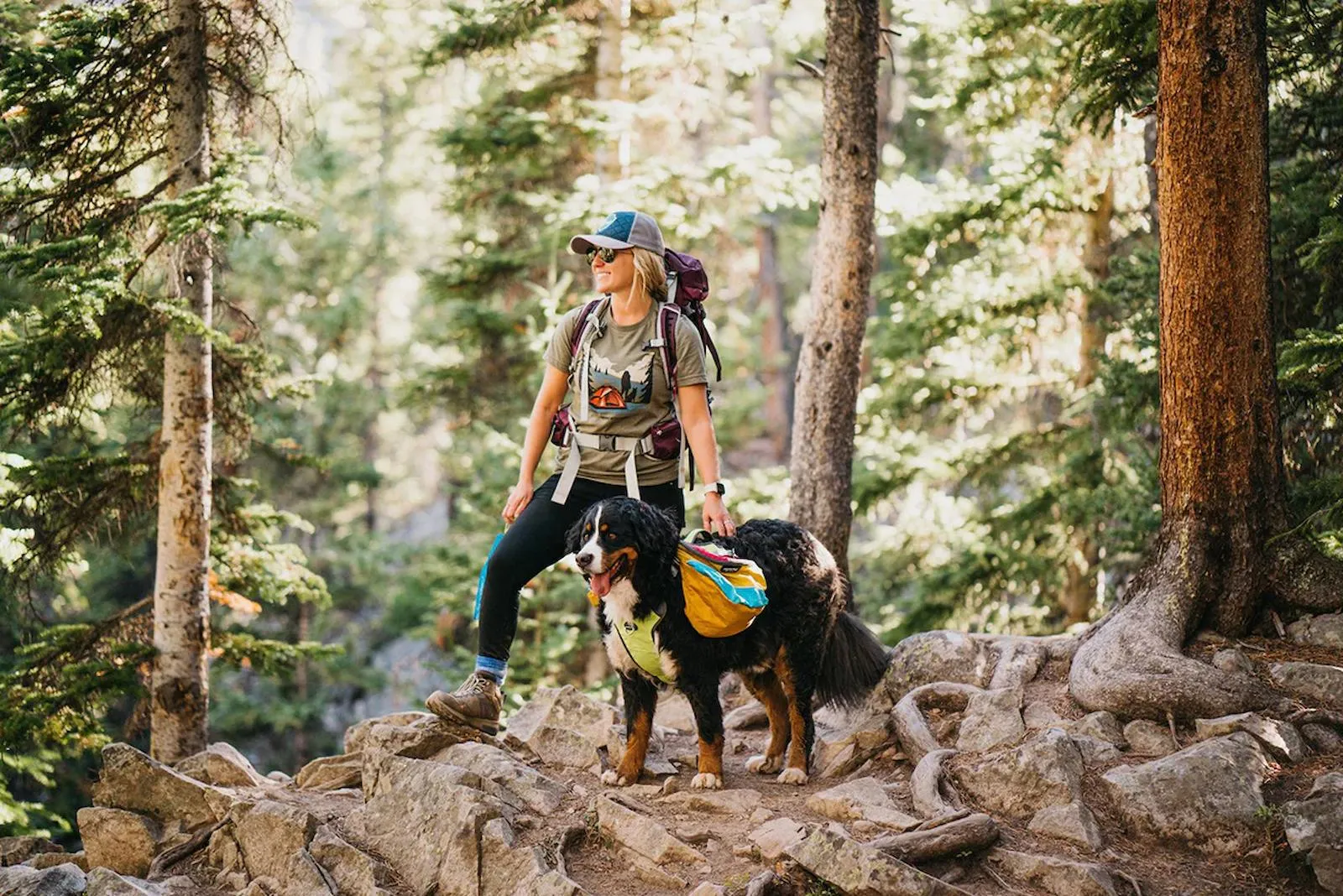
Outdoor training requires routines and gradual exposure. Establish a predictable schedule so your dog adapts to new trails and campsites. Use short, focused sessions during hikes to reinforce commands, and apply positive reinforcement to keep the dog motivated. Reliable safety gear—reflective collars and sturdy harnesses—adds a layer of practical protection while you train.
How to Train Recall and Leash Control in Outdoor Environments?
Begin recall training in a controlled area and increase distractions incrementally. Reward successful recalls with high-value treats or play. For leash control, practice loose-leash walking across varied terrain and reward proximity. Regular practice in different settings helps transfer skills to real outdoor scenarios.
Which Safety Tips Prevent Gear Failure and Dog Discomfort?
Inspect gear before each outing and replace worn items promptly. Confirm proper fit to avoid chafing or restricted movement. Adjust equipment for weather—for example, prevent overheating in summer—and pause training if the dog shows signs of stress or fatigue. Proactive gear care prevents failures on the trail.
How Does Trail Teck Gear Support Reliable Outdoor Dog Training?
Trail Teck produces outdoor dog gear designed for functional performance. The line includes harnesses, leashes, and collars built for safety, comfort, and control during active use. Rugged, weather-resistant materials and ergonomic construction help support consistent training and reduce equipment-related interruptions in the field.
What Ergonomic and Safety Features Differentiate Trail Teck Products?
Trail Teck designs focus on practical features: hands-free leash options for mobility, high-visibility materials for low-light safety, and padded, adjustable straps for comfort. These elements reduce handler fatigue and help dogs remain focused on training tasks.
How Have Trail Teck Products Been Tested for Outdoor Performance?
Trail Teck assesses products through durability checks, real-world performance trials, and user feedback. Those evaluations verify materials and design choices perform under outdoor conditions and help refine products to meet the expectations of active owners.
Where Can Dog Owners Find Reviews and Comparisons of Training Gear?
Consult multiple sources to evaluate gear. Pet supply sites and specialist review platforms provide product details and user ratings. Social media groups and owner forums add practical, experience-based feedback. Comparing several sources helps you match features to your training needs.
What Do Customers Say About Trail Teck Harnesses and Leashes?
Customer reports commonly note durability and practical performance on trails. Users highlight comfortable fits and materials that withstand outdoor use, which supports longer walks and training sessions without frequent replacements.
How to Compare Features Across Popular Outdoor Dog Training Products?
Compare material quality, design features, and user feedback. Check for adjustable straps for a better fit, reflective elements for visibility, and reinforced construction at stress points. Assessing these factors helps you choose gear suited to your dog’s size and your typical outdoor activities.
Frequently Asked Questions
What are the benefits of positive reinforcement in dog training?
Positive reinforcement rewards desired behaviours with treats, praise, or play. This approach increases the likelihood of repeatable responses, reduces stress, and builds a cooperative relationship. Over time it promotes reliable obedience without relying on aversive methods.
How can I ensure my dog is comfortable during outdoor training?
Select gear that fits your dog’s size and body shape, such as padded harnesses to prevent chafing. Consider weather and avoid training in extreme heat or cold. Give regular breaks, provide water, and watch body language for signs of fatigue or stress that indicate it is time to stop or adjust the session.
What should I do if my dog is not responding to commands outdoors?
Reduce distractions and practice in quieter areas, then reintroduce stimuli gradually. Use higher-value rewards to increase motivation and be consistent with cues. If progress stalls, consult a professional trainer for tailored techniques and troubleshooting.
How often should I train my dog for optimal results?
Short, frequent sessions are most effective. Aim for daily practice of 5 to 15 minutes spread through the day. Regular repetition and exposure to different environments help generalise commands and maintain engagement.
What are some common mistakes to avoid in dog training?
Avoid inconsistent commands, punitive corrections, and failing to reward good behaviour. Inconsistency confuses dogs; negative methods can create fear. Use clear cues, patience, and positive reinforcement to encourage steady progress.
How can I incorporate training into my dog's daily routine?
Integrate commands into ordinary moments: ask for "sit" before meals or "stay" when opening doors. Use walks to practice leash manners and recall. Turn play into training by combining fetch with "drop it" or "leave it" to reinforce skills naturally.
Conclusion
Reliable outdoor training combines sound techniques with durable gear. Positive reinforcement and consistent practice improve obedience, while the right equipment reduces discomfort and failure on the trail. Trail Teck’s outdoor products are built for durability and comfort to support effective training and safer adventures with your dog.
About the Author — Lucio Dascenzo
Lucio Dascenzo is the founder of Trail Teck and a certified dog trainer with over 10 years of hands-on experience training dogs for outdoor and trail environments. Holding a certification from the Certification Council for Professional Dog Trainers (CCPDT), Lucio has worked with hundreds of dog owners to build reliable recall, leash manners, and trail-safe obedience in their dogs. His training philosophy blends positive reinforcement with real-world outdoor conditioning — developed through thousands of miles of hiking with his own dogs across national parks and backcountry trails. Lucio's work has been featured in outdoor lifestyle publications, and he regularly shares trail-tested training advice through Trail Teck's blog and community. When he's not on the trail, he mentors new dog owners through Trail Teck's online training resources.