

Optimize Your Trail Running: Best Hands-Free Dog Leash Guide
Best Hands-Free Dog Leash Guide for Trail Running: Safety, Comfort, and Performance
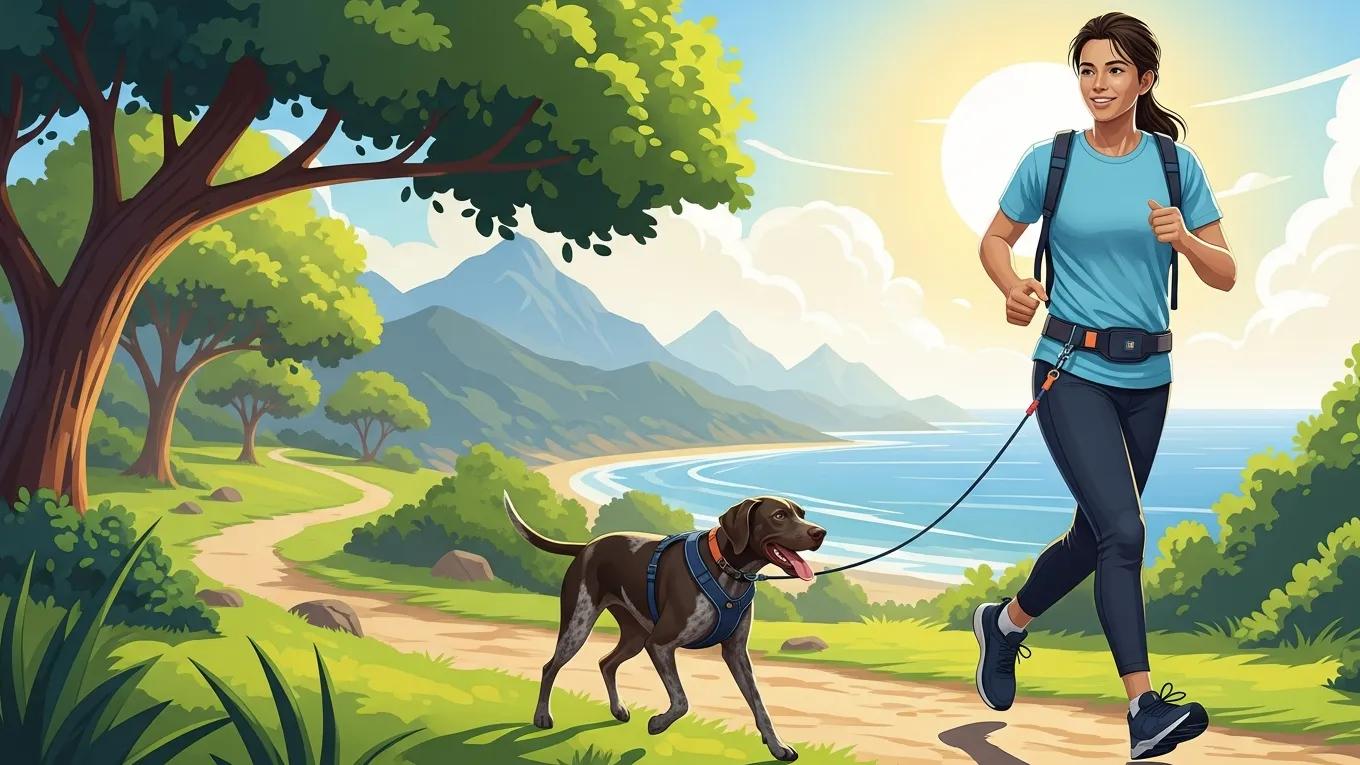
Trail running with your dog is one of the best ways to get outside and stay fit together. But without the right gear, it can be awkward and unsafe. A hands‑free dog leash keeps you both comfortable and in control. This guide breaks down why hands‑free leashes work, how to choose the right one for trail running, and how to use them safely so your outings are more enjoyable and secure.
We’ll walk through the benefits, selection tips, compatible harnesses, safety practices, top picks from 2023, and care advice. Whether you’re new to trail running with a dog or you’ve been hitting trails for years, this guide will help you get the most from every run.
Key Takeaways
- Hands‑free leashes let you move naturally while keeping your dog close and controlled.
- Adjustable waist belts and multiple leash-length options improve fit and on-trail handling.
- Bungee-style sections absorb pulls and reduce strain for both runner and dog.
- Pick a leash based on your dog’s size, temperament, and pull strength for the best fit.
- Pair with harnesses that have front clips and reflective trim to boost control and visibility.
- Introduce hands‑free running gradually using rewards to help your dog adapt safely.
- Regular cleaning and inspections extend leash life and prevent failures on the trail.
- New features like GPS and integrated hydration make modern leashes more convenient and secure.
- Used correctly, hands‑free leashes lower injury risk and improve the trail running experience.
Key Benefits of Using a Hands Free Dog Leash for Trail Running
Running with a hands‑free leash gives practical advantages for both you and your dog. These systems improve movement, reduce risk, and make longer outings more comfortable.
- Better Movement: Hands‑free leashes free your hands and let your arms swing naturally, which helps balance and running form. You can focus on pace and footing instead of holding a leash.
- More Safety: Keeping your dog attached at the waist reduces unexpected tangles and falls—especially useful on rocky or narrow trails where quick reactions matter.
- Comfort for Long Runs: Many systems use padded belts that distribute force across the hips, cutting wrist and shoulder strain during long miles.
A well‑chosen hands‑free leash makes trail runs safer and more enjoyable for both of you.
Hands‑Free Leashes Prevent Injuries to Dogs and Owners
"Traditional leashes often cause injuries because owners wrap them around their wrists and pull. This can hurt both the dog and the owner. Hands free releasable leashes reduce these risks by removing wrist strain and allowing quick release in emergencies."
– Hands‑Free Releasable Leash, 2017
How to Choose the Best Hands Free Dog Leash for Trail Running

Choosing the right hands‑free leash means matching features to how and where you run. Look for adjustability, secure hardware, and materials built for outdoor use.
Adjustable Features That Improve Fit and Use
Look for these adjustable parts:
- Adjustable Waist Belt: A snug, stable belt keeps the leash centered on your hips and prevents bouncing while you run.
- Length Options: Variable leash lengths let you control how much freedom your dog has depending on trail conditions and pace.
- Quick-Release Clips: Fast‑release buckles let you detach instantly in an emergency for peace of mind.
Materials and Designs for Durability and Shock Absorption
The materials and design determine durability and how well the leash handles sudden pulls: collections
- Nylon vs. Polyester: Nylon tends to be stronger and wear-resistant; polyester can resist UV and drying out in some designs.
- Bungee Leashes: Built‑in stretch smooths out sudden jerks and protects both dog and runner from sharp force.
- Weather-Resistant: Pick leashes rated for rain, mud, and sun so they hold up through changing trail conditions.
Choosing Hands Free Leashes for Different Dog Temperaments and Sizes
Not every dog needs the same setup. Match the leash to your dog’s build and behavior for the safest, most comfortable runs.
- Strong Pullers: Choose heavy‑duty bungee systems with wide, padded belts to absorb force and protect your hips.
- Small Dogs: Lighter, narrower leashes reduce bulk and weight while still giving you control.
- Running with Two Dogs: Use a dual‑dog splitter or a double hands‑free setup that prevents tangling while keeping both dogs close.
Best Compatible Dog Harnesses for Hands Free Leashes
The right harness makes hands‑free running safer and more comfortable. A well‑fitting harness improves control and reduces chafing.
How to Pick Harnesses for Safety and Comfort
Consider these points:
- Right Size: A properly sized harness prevents rubbing and slipping during the run.
- Adjustable Straps: Multiple adjustment points help you dial in a snug, secure fit for different body shapes.
- Breathable Fabric: Lightweight, ventilated materials keep your dog cool on longer or hotter runs.
Harness Features That Work Well with Hands Free Leashes
- Front Clip: A front‑clip option helps manage pulling and encourages your dog to run alongside you.
- Reflective Strips: Reflective trim boosts visibility in low light, improving safety on early‑morning or dusk runs.
- Extra Padding: Extra cushioning prevents chafing and adds comfort for long distances.
How to Use a Hands Free Dog Leash Safely While Trail Running

Safe hands‑free running is about preparation, awareness, and gradual training. Follow a few basic habits to reduce risk on the trail.
Essential Safety Tips for Running and Hiking with Dogs
- Stay Hydrated: Carry water for both you and your dog—hot or long runs need regular breaks and hydration.
- Know Your Dog’s Limits: Watch for fatigue, limping, or signs of overheating; adjust pace and distance accordingly.
- Wear Reflective Gear: Add reflective clothing or harness strips for early morning or evening runs to stay visible.
Training Your Dog for Hands Free Leash Running
Help your dog transition to hands‑free running with these steps:
- Start Small: Begin with short, easy runs so your dog gets used to the new setup.
- Use Rewards: Treats and praise reinforce calm, focused behavior on the leash.
- Increase Gradually: Build distance and difficulty slowly so your dog gains endurance and confidence.
Top Hands Free Dog Leash Products for Trail Running in 2023
Below are solid options for trail runners, with key features to help you decide what fits your needs.
| Product Name | Features | Pros | Cons | User Rating |
|---|---|---|---|---|
| Leash A | Adjustable length, bungee design | Strong shock absorption, fits many waist sizes, durable build | May be bulky for very small dogs; higher price point | 4.8/5 |
| Leash B | Reflective materials, quick-release | Excellent visibility, fast emergency release, lightweight | Less padding on belt; shorter maximum length | 4.7/5 |
| Leash C | Padded belt, durable nylon | Very comfortable for long runs, strong clips, weather resistant | No bungee section; less give on sudden pulls | 4.9/5 |
Recent Innovations Improving Safety and Convenience
- Smart Leashes: Built‑in GPS helps you locate your dog if they get loose or wander off.
- Built-in Water Bottles: Integrated hydration solutions remove the need for extra gear on the run.
- Better Shock Absorption: New materials and designs reduce jerks and make pace changes smoother.
How to Maintain and Monitor Your Hands Free Dog Leash for Longevity
Caring for your leash keeps it reliable and safe mile after mile.
Cleaning and Inspecting Your Leash
- Use Mild Soap: Clean with gentle detergent and water to remove mud and sweat without damaging materials.
- Air Dry: Let the leash dry naturally—avoid direct heat that can weaken webbing or elastic.
- Check for Wear: Regularly inspect for frayed webbing, loose stitching, or cracked clips.
When to Replace Your Leash
- Look for Tears: Replace the leash if you find rips, deep abrasions, or broken stitching.
- Test Hardware: Ensure clips and buckles latch firmly and show no signs of bending or cracking.
- Check Elasticity: If a bungee no longer rebounds properly, swap the leash to maintain safety.
What is a hands free dog leash?
A hands‑free dog leash attaches to a belt or waist‑worn system so your hands stay free while your dog remains secured at your hips. It’s designed for running, hiking, and active walks.
Can I use a hands free leash for strong pullers?
Yes—look for models with heavy‑duty bungee sections, reinforced stitching, and wide padded belts. Pairing the leash with a front‑clip harness improves control for strong pullers.
Is a hands free dog leash safe for trail running with dog?
When paired with the right harness and used with proper training and awareness, a hands‑free leash is safe and helps keep your dog close on narrow or technical trails.
Expert Advice on Hands Free Dog Leashes and Trail Running
"Using a hands‑free dog leash can greatly reduce the risk of injury for both the runner and the dog. It allows for better control and keeps the dog close without restricting natural movement." – Dr. Emily Carter, Veterinarian
"Training your dog to run with a hands‑free leash takes patience, but it improves the running experience for both of you. Start slow and use positive rewards." – Jake Thompson, Certified Dog Trainer
"For dogs that pull hard, a bungee‑style hands‑free leash combined with a front‑clip harness offers the best control and comfort." – Sarah Lee, Professional Dog Behaviorist
About the Author
Alex Morgan is a certified dog trainer and outdoor‑adventure specialist with over a decade of experience. Alex blends practical training methods with gear recommendations so dog owners can enjoy safe, confident runs with their canine partners.
Frequently Asked Questions
How do I train my dog to use a hands-free leash?
Training your dog to use a hands-free leash involves gradual acclimatization. Start with short, easy runs to help your dog adjust to the new setup. Use positive reinforcement, such as treats and praise, to encourage calm behavior. Gradually increase the distance and complexity of your runs as your dog becomes more comfortable. Consistency and patience are key, as this will help your dog associate the hands-free experience with positive outcomes.
What should I look for in a hands-free leash for small dogs?
When selecting a hands-free leash for small dogs, prioritize lightweight and narrower designs to avoid overwhelming them. Look for adjustable features to ensure a snug fit, as well as a leash that offers good control without excessive bulk. A leash with a bungee section can help absorb sudden pulls, making it more comfortable for both you and your dog. Additionally, consider reflective materials for visibility during low-light conditions.
Can I use a hands-free leash for multiple dogs?
Yes, you can use a hands-free leash for multiple dogs by opting for a dual-dog splitter or a double hands-free setup. These systems are designed to prevent tangling while keeping both dogs close to you. Ensure that each dog has a compatible harness that allows for safe and comfortable running. Training both dogs to run together with a hands-free leash will also help them adjust to the new experience.
What are the best practices for maintaining a hands-free dog leash?
To maintain your hands-free dog leash, regularly clean it with mild soap and water to remove dirt and sweat. Allow it to air dry naturally, avoiding direct heat sources that could damage the materials. Inspect the leash frequently for signs of wear, such as frayed webbing or loose stitching, and test the hardware to ensure clips and buckles function properly. Replace the leash if you notice any significant damage to ensure safety during use.
Are there any specific safety tips for trail running with a dog?
Yes, several safety tips can enhance your trail running experience with your dog. Always stay hydrated by carrying water for both you and your dog, especially on hot days. Be aware of your dog's limits and watch for signs of fatigue or overheating. Wearing reflective gear is crucial for visibility during early morning or evening runs. Additionally, familiarize yourself with the trail conditions to avoid unexpected hazards.
What features make a hands-free leash suitable for trail running?
A suitable hands-free leash for trail running should have adjustable waist belts for a secure fit, bungee sections for shock absorption, and durable materials that withstand outdoor conditions. Quick-release clips are essential for emergencies, allowing you to detach your dog swiftly if needed. Look for leashes with reflective elements for visibility and those designed specifically for the rigors of trail running to ensure safety and comfort.
Conclusion
Utilizing a hands-free dog leash for trail running enhances both safety and comfort, allowing you to enjoy your outdoor adventures with your canine companion. These leashes promote better movement, reduce injury risks, and make longer runs more enjoyable for both you and your dog. By selecting the right leash and harness combination, you can ensure a secure and pleasant experience on the trails. Discover our curated selection of hands-free leashes today to elevate your trail running experience.