

Best Dog Carrier Backpacks for Ultimate Comfort
Best Dog Carrier Backpacks for Ultimate Comfort: Comprehensive Guide to Ergonomic, Durable, and Safe Outdoor Solutions
By Lucio Dascenzo, Trail Teck
Choosing the right dog carrier backpack matters for owners who hike, camp, or travel. The right pack delivers comfort for your dog, reliable safety features, and durable construction to withstand outdoor use. This guide examines ergonomic design, safety elements, and maintenance so you can make an informed choice that improves outings for you and your dog.
Key Takeaways
- Ergonomic dog carrier backpacks feature adjustable straps, padded support, and breathable materials for maximum comfort.
- Durable backpacks use tear-resistant, weather-resistant fabrics with reinforced stitching and robust zippers for longevity.
- Integrated safety harnesses, secure straps, and ventilation panels ensure pet safety and comfort during outdoor activities.
- Proper weight limits and fit prevent discomfort and injury for dogs using carrier backpacks.
- Regular cleaning with mild detergents and air drying preserves backpack quality and performance over time.
- Routine inspections for wear and tear maintain safety features and prolong the backpack’s usability.
- Dog carrier backpacks are ideal for hiking, camping, and travel, enhancing outdoor experiences for owners and pets.
- Ergonomic designs reduce owner strain and support natural dog movement during extended outdoor use.
To choose the best dog carrier backpacks for ultimate comfort, focus on the following key features:
Prioritise features that directly affect comfort and safety in real outdoor conditions. Focus on fit, construction quality, and integrated safety components when comparing models.
- Ergonomic Design: A well-designed backpack should distribute weight evenly, reducing strain on both the dog and the owner.
- Durability: High-quality materials and construction are essential for withstanding outdoor conditions.
- Safety Features: Integrated safety harnesses and secure straps are crucial for keeping your dog safe during travel.
Keeping these priorities in mind will help you select a backpack that meets both your practical needs and your dog's comfort requirements.
Ergonomic Design
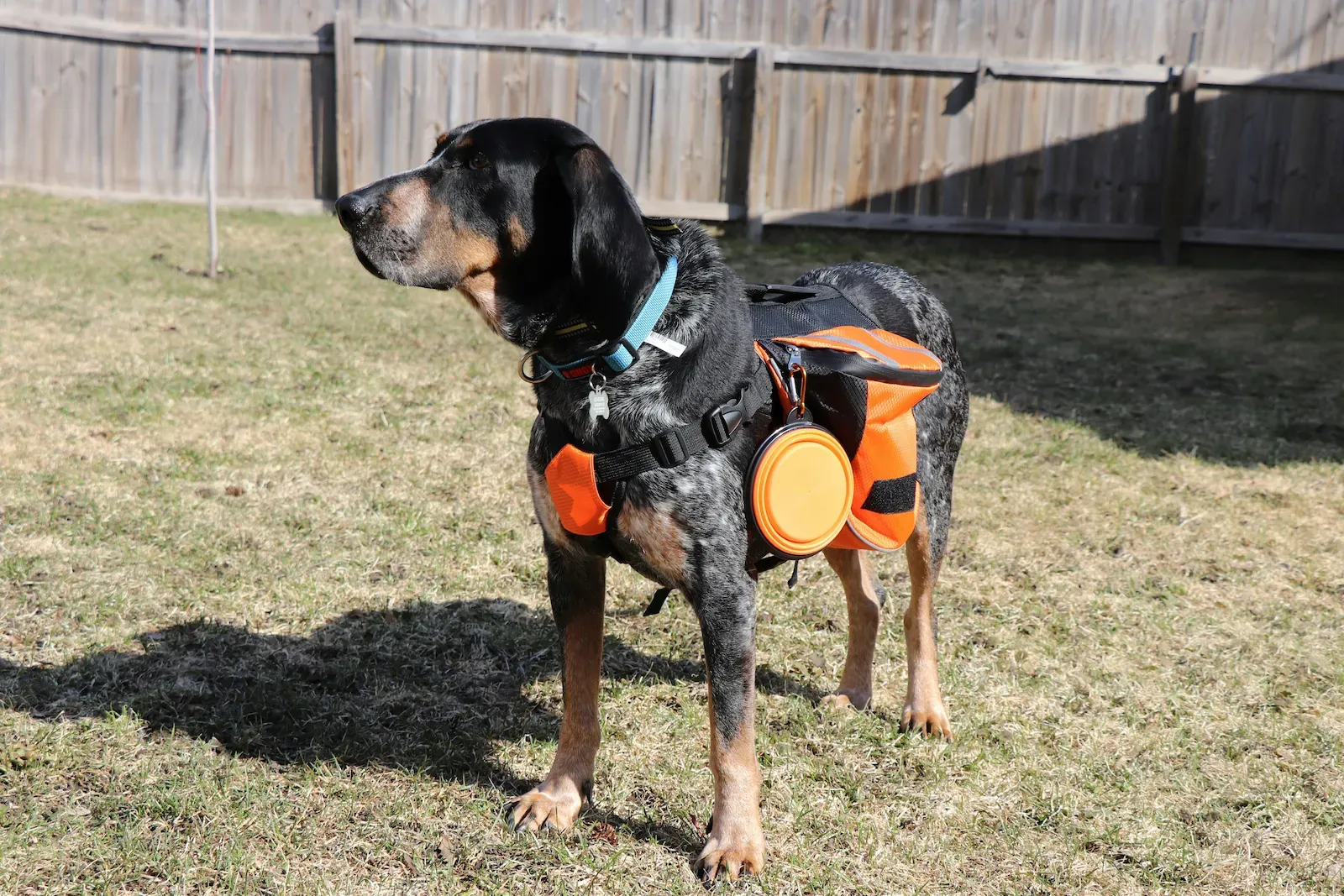
Ergonomics affects how long you can carry your dog and how comfortably your dog rides. Look for adjustable straps, structured padding, and breathable panels that support both the dog’s posture and the owner's balance.
Research highlights ergonomic design as a key factor in producing versatile, comfortable pet carriers suited to active lifestyles.
Ergonomic Pet Carrier Backpack Design for Comfort
This study designed a multifunctional backpack that combines the functions of a pet cargo bag, an astronaut bag, and a tote bag in one product. This bag is designed with technical specifications including waterproof material, adequate air ventilation, an ergonomic shape, and easy folding for storage. The design results are expected to improve the comfort of owners and pets, support modern lifestyles, and contribute to innovation in pet product design in Indonesia.
PERANCANGAN ERGONOMI SHOULDER STRAPS BACKPACK DAN BACKPANEL (AIRFLOW BACK SYSTEM) PADA PET CARRIER MODEL ASTRONOT, 2026
What Are the Key Ergonomic Features That Ensure Comfort in Dog Carrier Backpacks?
Key ergonomic features include:
- Adjustable Straps: Look for backpacks with adjustable straps to ensure a snug fit for both the dog and the owner, reducing strain during extended hikes.
- Padded Support: Thick padded support panels help distribute the dog's weight evenly across the chest and abdomen, improving comfort and safety.
- Breathable Materials: Opt for backpacks made from lightweight, breathable fabrics that promote airflow, preventing overheating during outdoor activities.
Together, these features reduce strain for the owner and allow the dog to maintain a natural posture while on the trail.
How Does Ergonomic Design Benefit Both Dogs and Owners During Outdoor Activities?
Ergonomic design lowers fatigue for the owner and reduces pressure points for the dog. A correct fit improves balance and lets the dog move safely, which lowers the risk of injury on uneven terrain.
Durability
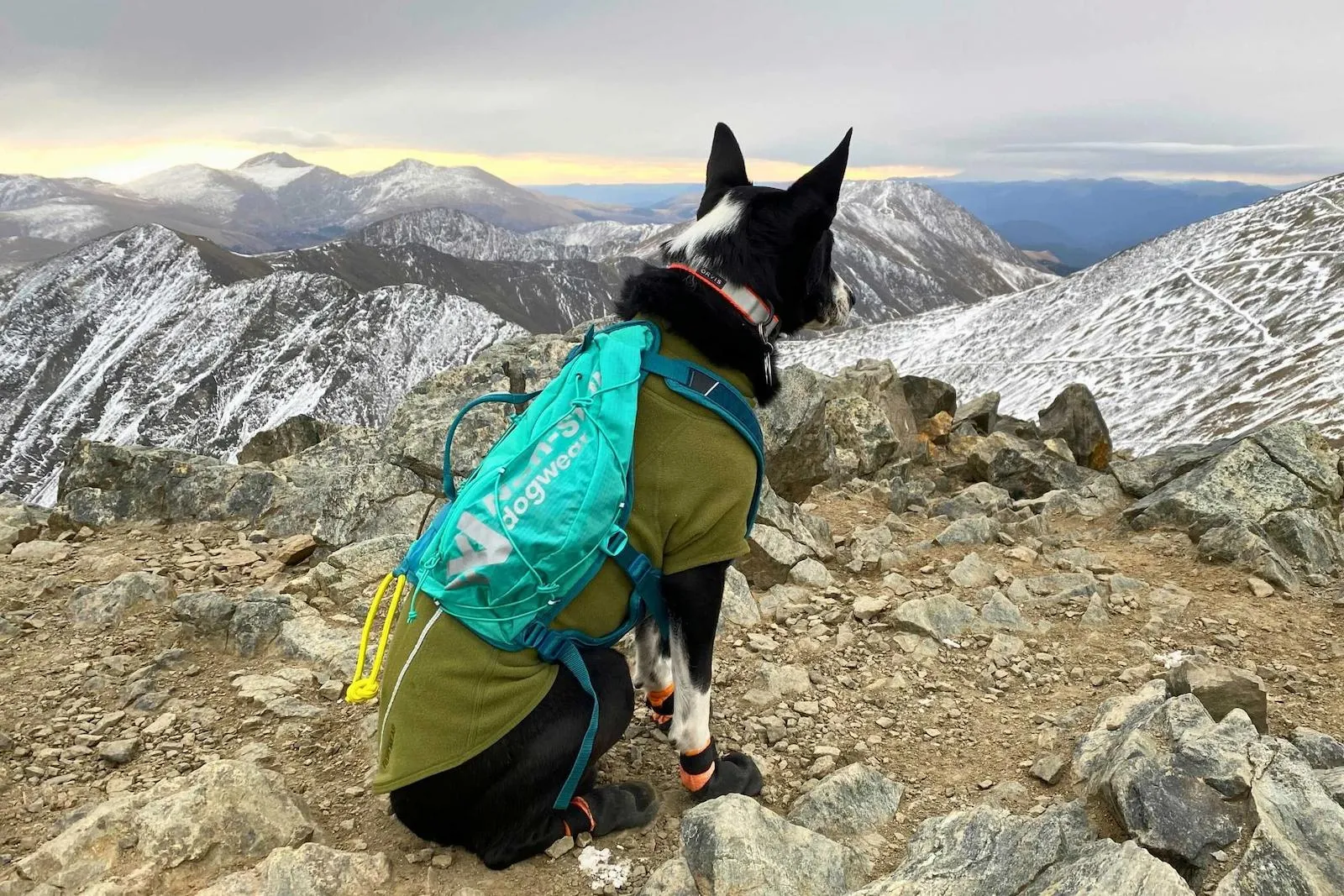
Durability matters when you use a backpack in changing weather and rough terrain. A robust pack lasts longer and delivers consistent performance over many trips.
How Do Durable and Weather-Resistant Materials Enhance Dog Carrier Backpack Performance?
High-quality materials are essential for ensuring that a backpack can endure various outdoor conditions. Look for backpacks made from:
- High-Quality Materials: Choose backpacks made from tear-resistant and weather-resistant fabrics to withstand outdoor conditions.
- Reinforced Stitching and Robust Zippers: Ensure the construction quality is high to extend the lifespan of the backpack, making it suitable for repeated use.
These construction details reduce the chance of failure on the trail and protect your investment through repeated use.
Safety Features
Safety features are non-negotiable. A well-designed backpack keeps your dog secure, prevents escapes, and maintains airflow to avoid overheating.
Which Safety Features and Certifications Guarantee Secure Outdoor Use of Dog Carrier Backpacks?
Essential safety features include:
- Integrated Safety Harnesses: Look for backpacks with integrated harness points and secure closures to prevent escapes and ensure the dog remains safely contained.
- Ventilation: Mesh panels allow for airflow, keeping the dog cool and comfortable while preventing overheating.
- Secure Straps and Clips: High-quality straps and clips are essential to keep the dog securely in place, reducing the risk of injury.
These elements work together to protect your dog during transport and give you greater confidence on the trail.
How Do Industry Safety Certifications Validate Dog Carrier Backpack Reliability?
Recognised safety certifications indicate that a product has been tested against established standards. Choosing certified products adds an objective layer of quality assurance.
Independent organisations establish and validate these standards to ensure consistent product safety for pet gear.
Pet Product Safety Standards & Certification
CPS is fully independent of the pet products industry and with teams of independent experts they study product safety, author pet product standards, and hand out CPS certification.
Development of a Dog Carrier, 2022
Additional Considerations
Beyond core features, check weight limits, harness attachment points, and how users rate the pack in real conditions. These factors affect day-to-day usability on hikes and campsites.
What Are the Essential Safety Harness Attachments and Weight Limits for Hiking Backpacks?
- Weight Limits: Ensure the backpack is suitable for your dog's weight and size, as improper fit can lead to discomfort or injury.
- User Reviews and Expert Comparisons: Research user experiences and expert recommendations to identify the best options for hiking and camping.
Reviewing these items will help you choose a pack that handles the loads and conditions you expect to encounter.
Maintenance
Regular maintenance preserves function and safety. Simple care after use prevents material breakdown and keeps safety systems working as intended.
What Are the Recommended Maintenance and Cleaning Practices to Preserve Dog Carrier Backpack Quality?
- Regular Cleaning: Clean the backpack after each use with mild detergents and allow it to air dry to maintain its integrity and performance.
Following these cleaning steps helps prevent odor, fabric damage, and deterioration of structural components.
How Should You Clean and Maintain Durable Dog Carrier Backpacks for Longevity?
To maintain the longevity of your backpack, consider the following:
- Inspect Regularly: Check for any signs of wear and tear, such as frayed straps or broken zippers, and address these issues promptly.
- Store Properly: When not in use, store the backpack in a cool, dry place to prevent mold and mildew.
Timely repairs and correct storage keep the pack serviceable and safe for future trips.
What Are the Best Use Cases for Dog Carrier Backpacks in Hiking, Camping, and Travel?
Dog carrier backpacks suit situations where a dog may tire, need short-term containment, or require secure transport between locations during outdoor trips.
- Hiking: Ideal for long hikes where your dog may tire out.
- Camping: Provides a safe and comfortable way to transport your dog to and from the campsite.
- Travel: Convenient for road trips or air travel, ensuring your dog is secure and comfortable.
Used correctly, these backpacks make outdoor plans more practical for both dogs and owners.
When you take your dog hiking, follow general safety precautions for heat, terrain, and load management to reduce risk on the trail.
Hiking & Backpacking Safety Tips for Dog Owners
help you tote hiking gear. All dog owners should be careful while hiking with their dog in hot weather. Remember, Frisbee or any activity should be performed on suitable terrain.
Backpacking with your best friend: exploring the great outdoors with a canine companion, 1995
How Do Dog Carrier Backpacks Perform in Different Outdoor Activities?
When selected and fitted correctly, carrier backpacks provide secure transport and adequate ventilation across activities like hiking, camping, and travel. They let dogs accompany owners without compromising safety or comfort.
What Practical Benefits Do Trail Teck Backpacks Offer for Active Dog Owners?
Trail Teck builds outdoor gear with functional benefits in mind. Their dog carrier backpacks emphasise ergonomic support, durable materials, and integrated safety features to perform in active outdoor settings.
- Ergonomic Design: Ensures comfort for both the dog and the owner during long hikes.
- Durability: Made from high-quality materials that withstand outdoor conditions.
- Safety Features: Incorporates essential safety elements to keep dogs secure.
These design choices make Trail Teck backpacks a practical option for owners who need reliable performance on the trail.
How Do Adjustable Straps and Support Systems Affect Fit and Comfort?
Adjustable straps and support frames control how weight is distributed. Proper adjustment reduces shoulder and back strain for the owner and stabilises the dog so it can sit or move naturally without excessive pressure points.
What Are the Best Practices to Retain Safety and Comfort Features Over Time?
Maintain safety and comfort by inspecting load-bearing components before each trip and by cleaning the pack according to the manufacturer’s recommendations.
- Regular Inspections: Check for wear and tear, ensuring that all safety features are functioning correctly.
- Proper Cleaning: Follow the manufacturer's cleaning instructions to maintain the integrity of materials and safety features.
Consistent care ensures the backpack continues to protect your dog and perform as intended.
Maintenance
Simple, routine care keeps your backpack safe and dependable. Clean, inspect, and store it correctly to preserve materials and hardware.
How Should You Clean and Maintain Durable Dog Carrier Backpacks for Longevity?
To clean and maintain your backpack effectively:
- Use Mild Detergents: Clean the backpack with mild detergents to avoid damaging the materials.
- Air Dry: Allow the backpack to air dry completely before storing it to prevent mold and mildew.
These steps prevent material breakdown and help maintain performance over time.
What Are the Best Practices to Retain Safety and Comfort Features Over Time?
To retain the safety and comfort features of your dog carrier backpack, consider the following best practices:
- Regular Inspections: Check for wear and tear, ensuring that all safety features are functioning correctly.
- Proper Cleaning: Follow the manufacturer's cleaning instructions to maintain the integrity of materials and safety features.
By following these practices, you keep the pack ready and safe for future outings.
Frequently Asked Questions
What Size Dog Carrier Backpack Should I Choose for My Pet?
Measure your dog's height and weight and compare them to the manufacturer's sizing chart. Choose a pack that allows your dog to sit, stand, and turn naturally, and respect the listed weight limit to avoid strain or imbalance.
Can I Use a Dog Carrier Backpack for Air Travel?
Many carrier backpacks are suitable for air travel, but check airline size rules and cabin requirements first. Choose a model with good ventilation and secure closures, and acclimatise your dog to the pack before travel. Consult your veterinarian about any required documentation.
How Do I Introduce My Dog to a Carrier Backpack?
Introduce the pack gradually. Let your dog explore it at home, use treats to build a positive association, and start with short, stationary sessions. Increase time and add short walks as your dog becomes comfortable.
What Are the Best Practices for Storing a Dog Carrier Backpack?
After cleaning, store the backpack in a cool, dry place out of direct sunlight. Avoid tight folding that can deform padding or frames; hang the pack or store it flat to preserve shape. Inspect it periodically for damage.
Are There Any Specific Safety Tips for Using Dog Carrier Backpacks?
Always secure your dog with the integrated harness, monitor for signs of overheating or distress, and take regular breaks on long hikes. Choose routes appropriate for carrying a dog and avoid excessively rough terrain while the dog is in the pack.
What Should I Do If My Dog Shows Signs of Discomfort in the Backpack?
If your dog whines, pants heavily, or tries to escape, stop and check the fit immediately. Let the dog rest, reassess the load and straps, and try a different fit or pack if discomfort continues. Prioritise your dog's comfort and safety at all times.
Conclusion
Selecting the right dog carrier backpack improves safety, comfort, and durability on outdoor trips. Choose packs with ergonomic support, reliable materials, and clear safety features, and maintain them with regular cleaning and inspections. Investing in a dependable backpack helps you enjoy more confident, comfortable outings with your dog. Explore our curated selection of top-rated dog carrier backpacks to find the right fit for your adventures.