

Dog Hiking Boots and Paw Protection Guide
Dog Hiking Boots and Paw Protection Guide: How to Safeguard Your Dog's Paws on Outdoor Trails
By Lucio Dascenzo, Trail Teck
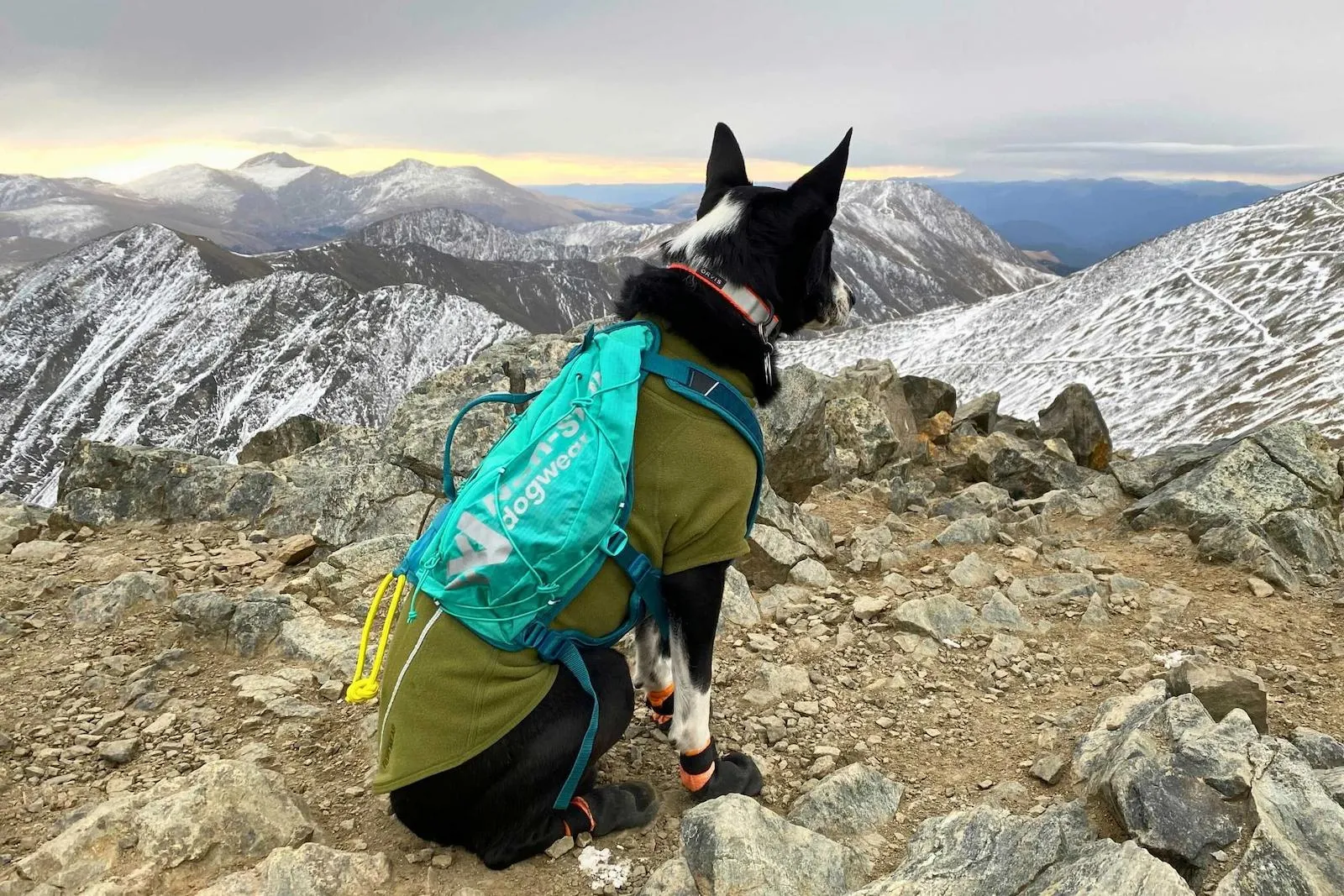
Protecting your dog’s paws is a practical step for any outdoor excursion. Dog hiking boots reduce exposure to sharp rocks, hot surfaces and other trail hazards while preserving mobility. This guide explains boot types, key features and use practices so you can select gear that performs in real outdoor conditions. It also outlines why Trail Teck options are a dependable choice for long‑lasting, functional paw protection.
Key Takeaways
- Dog hiking boots protect paws from rough terrain, extreme temperatures, and sensitive paw conditions during outdoor activities.
- Different types of boots include standard, waterproof, insulated, and lightweight options tailored to specific environmental needs.
- Essential boot features include proper fit, durable materials, non-slip soles, and adjustable straps for secure comfort.
- Gradual introduction and regular paw inspections enhance comfort and prevent injuries during hiking.
- Accurate paw measurements and sizing charts ensure the correct boot fit for optimal protection and mobility.
- Proper securing of boots with adjustable straps prevents slipping and discomfort on trails.
- Post-hike care involves cleaning paws, inspecting for injuries, and maintaining boots to prolong durability.
- Trail Teck boots offer high durability, ergonomic comfort, and excellent traction for reliable paw protection.
- Choosing Trail Teck guarantees quality materials and customer support for durable and reliable dog hiking boots.
Types of Dog Hiking Boots
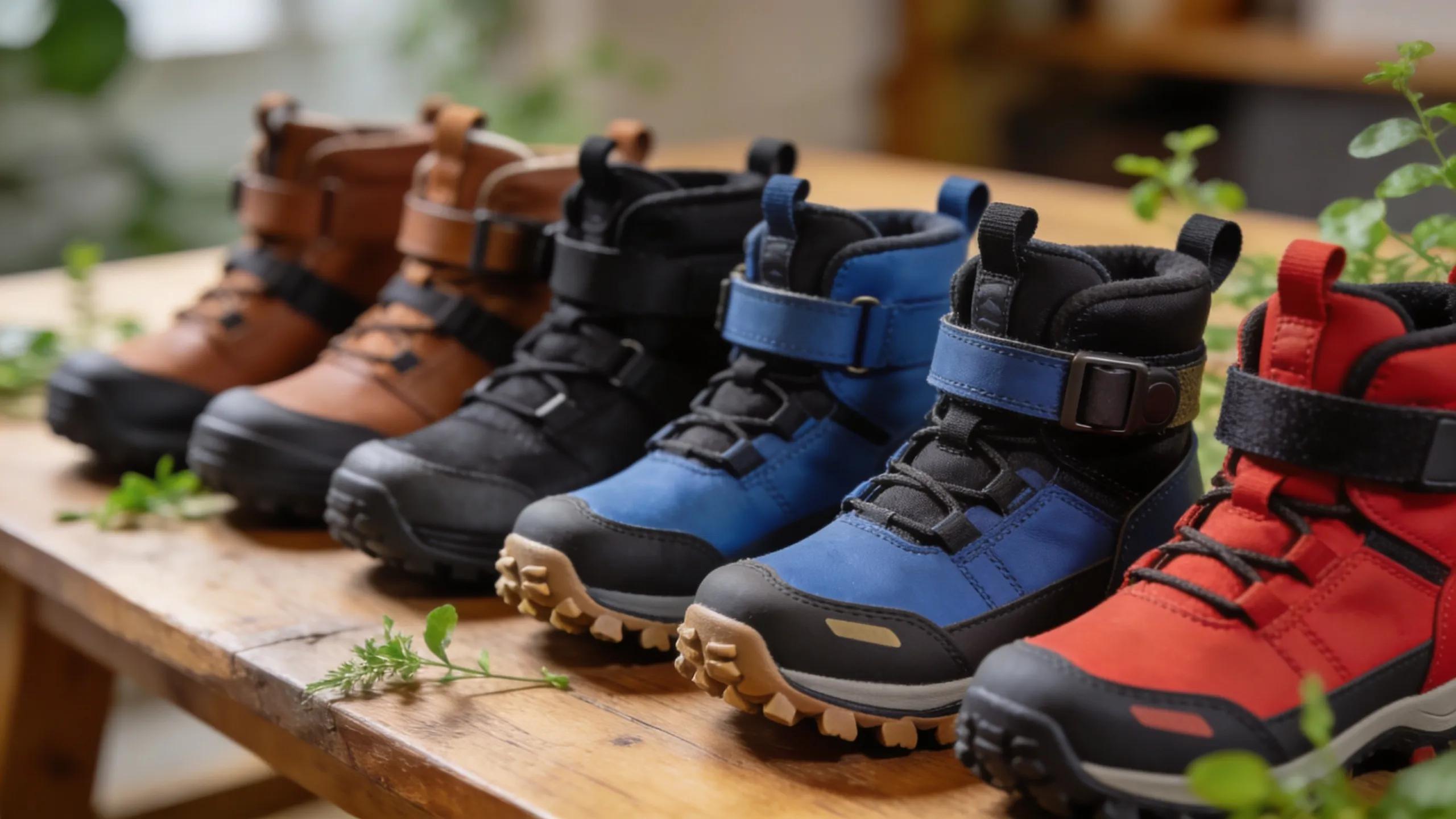
Dog hiking boots are engineered for specific conditions: basic protection for abrasive surfaces, waterproof models for wet crossings, insulated designs for cold climates and lightweight options for long routes. Choosing the right category for your typical terrain ensures the boots perform as intended.
| Type of Boot | Feature | Description |
|---|---|---|
| Standard Dog Booties | Basic protection | Protects against rough terrains like gravel or rocks. |
| Waterproof Boots | Water-resistant | Keeps paws dry during wet conditions or crossing streams. |
| Insulated Boots | Thermal protection | Ideal for cold weather, prevents frostbite. |
| Lightweight Boots | Enhanced mobility | Offers comfort for long hikes without weighing down the dog. |
Each boot type addresses different trail challenges, so match the design to the terrain and climate you expect to encounter.
Features to Look For
Selecting hiking boots is a functional decision, not a fashion choice. Prioritise fit, durable outer fabrics and reinforced stitching, soles that provide grip on mixed surfaces, and adjustable fastenings that hold the boot securely without restricting circulation.
- Proper Fit: Ensures comfort and prevents chafing or slipping.
- Durable Materials: Look for high-quality fabrics that withstand wear and tear.
- Non-slip Soles: Essential for providing better traction on diverse terrains.
- Adjustment Straps: Keep the boots securely in place during activity.
Evaluating these features reduces the risk of gear failure and keeps your dog comfortable and mobile on the trail.
Best Practices for Use
To get reliable performance from hiking boots, follow practical steps for introduction, monitoring and maintenance. Proper preparation reduces the chance of chafing, slipping or unexpected discomfort while out on the trail.
- Introduce Boots Gradually: Allow your dog to wear the boots indoors before hitting the trail.
- Monitor Their Behavior: Watch for any signs of discomfort while wearing the boots.
- Check Paws Regularly: Inspect your dog's paws during breaks to ensure there are no injuries or irritations.
Consistent introduction and routine checks help your dog adapt and allow you to address fit or wear issues before they become problems during a hike.
When and Why Should Dogs Wear Hiking Boots?
Boots are most useful where the trail poses a clear risk: rocky or sharp terrain, very hot surfaces that can burn pads, and icy or abrasive ground. Dogs with sensitive paws or pre-existing foot conditions also benefit from the added layer of protection.
- Rough Terrain: Protects against injuries from rocks and sharp objects.
- Extreme Temperatures: Keeps paws safe from hot pavement or icy surfaces.
- Dogs with Sensitive Paws: Provides an extra layer of protection for dogs that need it.
Assess the trail and your dog’s paw condition before outings; that assessment will guide whether boots are the right protective measure for a given hike.
How Do Dog Boots Prevent Paw Injuries During Trail Hiking?
Boots create a physical barrier that reduces direct contact with hazards. They limit abrasions from gravel and thorns, block extreme surface temperatures and improve footing on slippery or uneven sections of trail.
- Protecting against abrasive surfaces, like gravel and thorny plants.
- Keeping paws secure from hot surfaces, which can cause burns.
- Enhancing stability on slippery terrain to prevent falls.
When properly fitted and maintained, boots notably lower the chance of common paw injuries encountered on trails.
How to Choose the Best Dog Hiking Boots for Trail Durability and Comfort
Select boots based on accurate measurements, material performance and weather suitability. Prioritise breathable yet robust fabrics that resist abrasion and soles designed for the surfaces you will encounter.
- Fit: Measure your dog's paws accurately to ensure you select the right size.
- Materials: Look for boots made from breathable yet robust materials that can endure varied conditions.
- Weather Compatibility: Choose boots designed for the specific weather conditions you'll face, like waterproof for rain or insulated for winter.
How to Use Sizing Charts to Fit Dog Boots Correctly
Accurate sizing is essential to avoid chafing and slippage. Measure both length and width of the paw, then compare those numbers to the manufacturer’s sizing chart. If you buy from different brands, check each brand’s chart since sizing standards can vary.
- Measure the Width and Length: Use a ruler or measuring tape to get accurate dimensions of your dog's paws.
- Refer to Size Charts: Cross-reference measurements with the sizing chart provided by the boot manufacturer to find the perfect size.
- Consider Different Brands: Keep in mind that sizes may vary between brands, so check each one individually.
Step-by-Step Guide: How to Fit Dog Hiking Boots Properly Every Time
Start with precise measurements, then fit the boot so it is snug without constriction. Have your dog walk on a flat surface and observe gait and weight distribution to confirm comfort and mobility.
- Start with the Right Size: Use your measurements to choose the correct boot size.
- Put the Boots on the Dog: Securely fasten them, ensuring they are snug but not too tight.
- Check for Comfort: Allow your dog to walk around to ensure they feel comfortable and natural.
How to Secure Boots for Comfortable and Safe Outdoor Use
Proper fastening keeps boots effective without causing pressure points. Adjust straps to hold the boot in place, then re-check fit after a short walk to ensure the fastenings have not shifted.
- Utilize Adjustable Straps: Ensure that straps are tightened enough to keep the boots in place but not so tight that they cause discomfort.
- Re-check Fit After Adjusting: After your dog walks for a while, reassess the fit and adjust as necessary.
How to Care for Your Dog's Paws and Hiking Boots After Trail Use
Post‑hike care preserves paw health and extends boot life. Remove dirt and grit from pads, inspect for any damage, and clean boots according to the manufacturer’s instructions to maintain materials and traction.
- Clean Paw Pads: Use a damp cloth to wipe down your dog’s paws to remove dirt and debris.
- Inspect for Injuries: Examine your dog’s paws for any cuts or irritations that may need attention.
How to Inspect and Treat Dog Paws Post-Hiking
Check between toes and pads for cuts, foreign objects or signs of irritation. Clean minor wounds with mild soap and water and dry thoroughly; seek veterinary care for deeper injuries or persistent problems.
- Look for Cuts or Debris: Check between the toes and pads for any remnants of the trail.
- Use Appropriate Cleaning Methods: Clean with mild soap and water if necessary, and dry thoroughly to keep paws healthy.
What Are the Safety Features and Performance Benefits of Trail Teck Dog Hiking Boots?
Trail Teck boots are built for rugged use, combining durable materials with ergonomic construction and traction-focused soles to support stability across variable terrain.
- High Durability: Made with premium materials designed to withstand rugged use.
- Enhanced Comfort: Ergonomic designs ensure your dog moves freely and comfortably.
- Excellent Traction: Special sole designs offer reliability on various surfaces.
Using Trail Teck boots provides a practical layer of protection that helps reduce common trail‑related paw issues while maintaining comfort and grip.
Why Choose Trail Teck for Durable and Reliable Dog Paw Protection?
Trail Teck focuses on material quality and functional design to deliver boots that resist wear and support consistent performance on trails. The brand also offers customer support to assist with fit and product selection.
- High-Quality Materials: Durable and breathable options offer superior protection.
- Customer Support: Trail Teck is committed to helping customers find the perfect fit for their needs.
Choosing Trail Teck is an investment in durable paw protection and practical customer service that helps ensure the gear meets your dog’s needs on the trail.
Frequently Asked Questions
1. Can all dogs wear hiking boots, or are there specific breeds that benefit more?
Most dogs can wear boots, but those with thin or sensitive paw pads—such as Greyhounds and Whippets—or older animals with paw issues tend to benefit more. Evaluate your dog’s paw condition and consult your veterinarian before introducing new footwear when in doubt.
2. How do I know if my dog needs hiking boots?
Consider boots if you will encounter rough terrain, hot surfaces or icy routes. Boots also help when your dog shows post‑hike discomfort or has a history of paw injuries; in those cases, footwear can reduce further damage and improve comfort.
3. How should I introduce my dog to hiking boots?
Introduce boots gradually: let the dog inspect them, then run short indoor sessions before moving to brief outdoor walks. Increase duration as the dog becomes accustomed, and monitor for signs of discomfort throughout the process.
4. What are some recommended brands for dog hiking boots?
Trail Teck is noted here for durability and performance, but other reputable brands include Ruffwear, Muttluks and Kurgo. Compare specific features and reviews to find the model that matches your terrain and use case.
5. How can I ensure my dog's safety on slippery terrain?
Choose boots with non‑slip soles designed for traction on wet or smooth surfaces. Encourage deliberate, cautious movement on slippery sections and avoid steep inclines where possible to reduce the risk of slips.
6. Are there any alternatives to hiking boots for paw protection?
When boots are unsuitable, consider paw waxes or protective balms that create a barrier against rough surfaces and temperature extremes. These options offer limited protection compared with boots but can be effective for shorter or less severe exposures.
7. How often should I replace my dog's hiking boots?
Inspect boots after several hikes for sole wear, loss of grip or material breakdown. Replace them when damage affects function; regular inspection and maintenance will maximise service life while keeping protection reliable.
Conclusion
Protecting your dog’s paws makes outdoor activities safer and more comfortable. Choose boots that match the terrain and weather, check fit carefully and maintain both paws and gear after hikes. Selecting durable, well‑designed options like Trail Teck helps reduce paw injuries and supports reliable performance on every adventure.