

Meal Planning and Feed Systems for Camping Dogs
Meal Planning and Feed Systems for Camping Dogs: Best Dog Food and Portable Bowls for Outdoor Adventures
By Lucio Dascenzo, Trail Teck
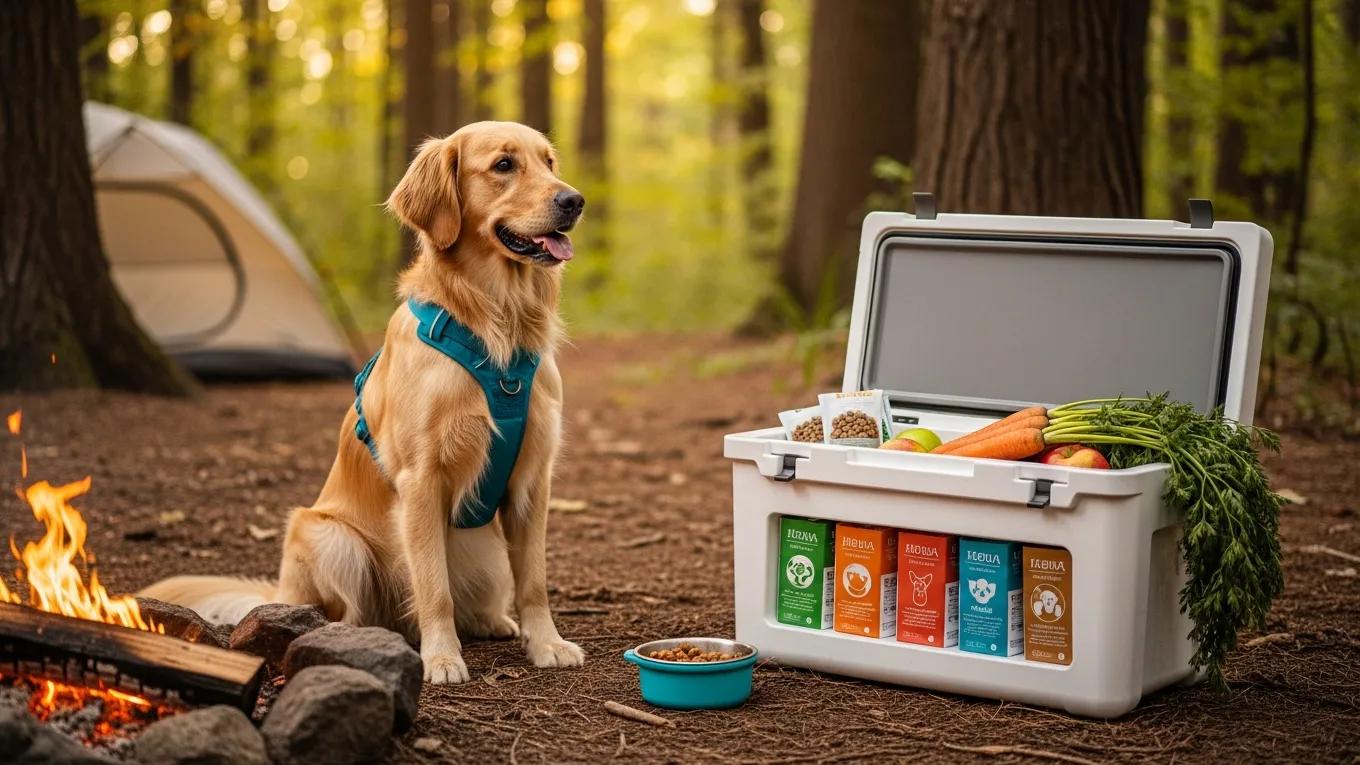
When you take a dog into the outdoors, meal planning and reliable feeding systems are essential for their health and performance. Thoughtful meal preparation ensures they get the calories and nutrients needed for long hikes. This guide covers the practical factors for choosing trail-ready dog food and portable feeding gear for hiking and camping. We review meal-prep methods, food-storage options, and hydration strategies so you can meet your dog’s needs on the trail. The article also outlines best practices for camping diets, top portable bowls, and ways to improve feeding setups in the field.
Key Takeaways
- Choosing high-energy, nutrient-rich dog food supports active dogs during camping and hiking adventures.
- Portable dog bowls should be lightweight, durable, and easy to clean for convenient outdoor feeding.
- Essential nutrients for trail dogs include proteins, healthy fats, and complex carbohydrates for sustained energy.
- Proper meal prep involves pre-packing portions, ensuring hydration, and adapting food to activity levels.
- Safe food storage uses airtight containers and temperature control to prevent spoilage during camping trips.
- Hydration gear like collapsible bowls and water bottles with built-in bowls keeps dogs well-hydrated on trails.
- Durable feeding gear with ergonomic and safety features reduces risks and enhances outdoor feeding experiences.
- Trail Teck products meet safety standards with high-visibility and ergonomic designs for reliable outdoor use.
What is the Best Dog Food for Camping and Hiking Trails?
Selecting dog food for camping and hiking starts with matching nutrition to activity. Active dogs typically need higher-calorie, nutrient-dense formulas to sustain effort. When choosing dry food consider ingredient quality, caloric density, and any dietary restrictions. For trail use, prioritize convenience, balanced nutrition, and palatability.
How to Choose Dry Dog Food for Outdoor Adventures
Use these guidelines to choose dry food for trail use:
- Ingredients: Look for high-quality proteins, whole grains, and healthy fats that provide lasting energy.
- Portion Sizes: Adjust portion sizes according to your dog's activity level and weight to prevent overeating while on the trail.
- Food Preservation: Ensure proper packaging and preservation methods to avoid spoilage, especially in warm weather.
These guidelines help you pick dry food that supports your dog's energy and recovery on multi-day trips.
Which Nutrients Are Essential for Active Dogs on Trails?
Active dogs need certain nutrients to sustain energy and recover on trails. Key nutrients include:
- Proteins: Crucial for muscle repair and recovery, proteins should make up a significant portion of your dog's diet.
- Fats: Healthy fats provide concentrated energy, especially beneficial for long hikes.
- Carbohydrates: Complex carbohydrates help sustain energy levels throughout the day.
Vitamins and minerals also support immunity and joint function during heavy activity. Confirm your dog's trail food supplies these micronutrients to help maintain performance and reduce recovery time.
What Are the Top Portable Dog Bowls for Hiking and Camping?
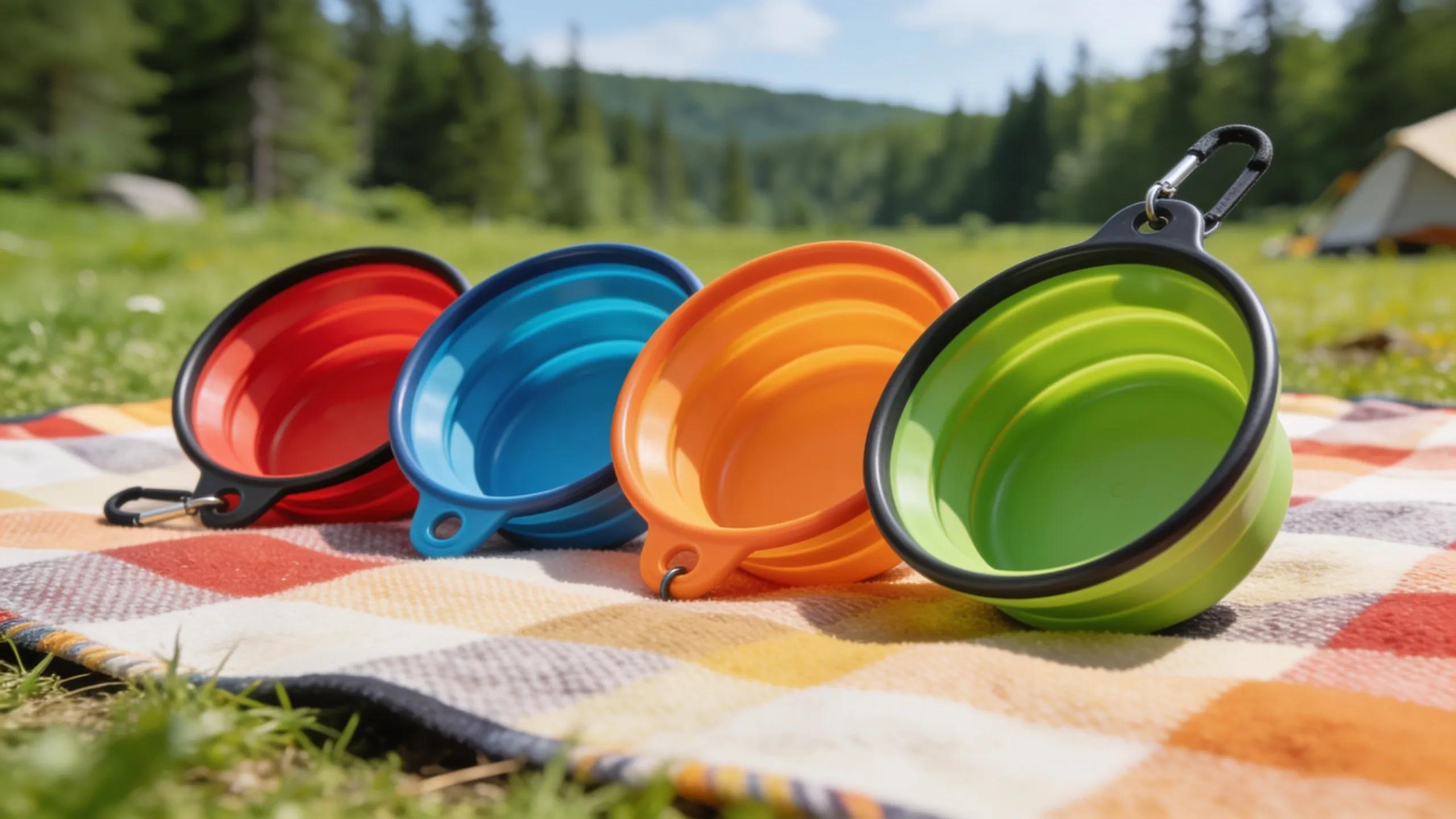
Portable bowls are a basic part of trail feeding. The best options are lightweight, packable, and durable for rough conditions. Look for designs that make feeding safe and hygienic.
Comparing Lightweight Dog Feeders for Trail Use
The table below compares common lightweight feeders for trail use:
| Feeder Type | Weight | Capacity | Features |
|---|---|---|---|
| Collapsible Bowl | 12 oz | 2 liters | Flexible, easy to store |
| Travel Bowl with Lid | 8 oz | 1.5 liters | Leak-proof, prevents spillage |
| Packable Silicone Bowl | 10 oz | 2 liters | BPA-free, dishwasher safe |
Picking the right lightweight feeder makes feeding on the move simpler and reduces pack weight.
How Do Portable Bowls Enhance Safe Outdoor Feeding Systems?
Portable bowls improve safety and hygiene in field feeding by addressing these points:
- Safety from Contaminants: Portable bowls keep food elevated, reducing the chances of contamination from dirt or insects during mealtimes.
- Familiarity for Dogs: Dogs tend to feel more comfortable with their own bowls, even in unfamiliar environments, aiding in stress reduction.
- Convenience for Owners: Portable bowls are designed for quick setup and takedown, allowing owners to focus more on enjoying the outdoor experience.
A robust portable feeding system supports your dog’s nutritional needs and reduces stress during outings.
How to Plan Dog Meals Effectively for Backpacking Trips?
Effective meal planning for backpacking balances weight, nutrition, and preservation. The right approach yields meals that are nutritious and easy to carry and serve on the trail.
What Are Practical Meal Prep Tips for Feeding Dogs on Trails?
Practical meal-prep steps for trail feeding include:
- Pre-Pack Meals: Prepare and portion meals ahead of time in biodegradable pouches or containers.
- Hydration Strategies: Carry extra water for your dog, and encourage drinking on breaks to keep them hydrated during hikes.
- Adaptability: Be prepared to adjust meals based on the trail conditions and your dog's energy levels, ensuring they get proper nutrition regardless of circumstances.
These steps help maintain your dog’s energy and health during long treks.
How to Store and Preserve Dog Food Safely While Camping
Preventing spoilage requires proper storage. Follow these best practices:
- Containers: Use airtight containers specifically designed for dog food to protect against moisture and pests.
- Temperature Control: Keep food in a shaded area and avoid exposing it to high temperatures to maintain freshness.
- Signs of Spoilage: Familiarize yourself with signs that dog food has gone bad, such as unusual smells or discoloration.
Follow these practices to keep meals fresh and safe throughout your trip.
What Are the Best Hydration and Electrolyte Solutions for Dogs Outdoors?
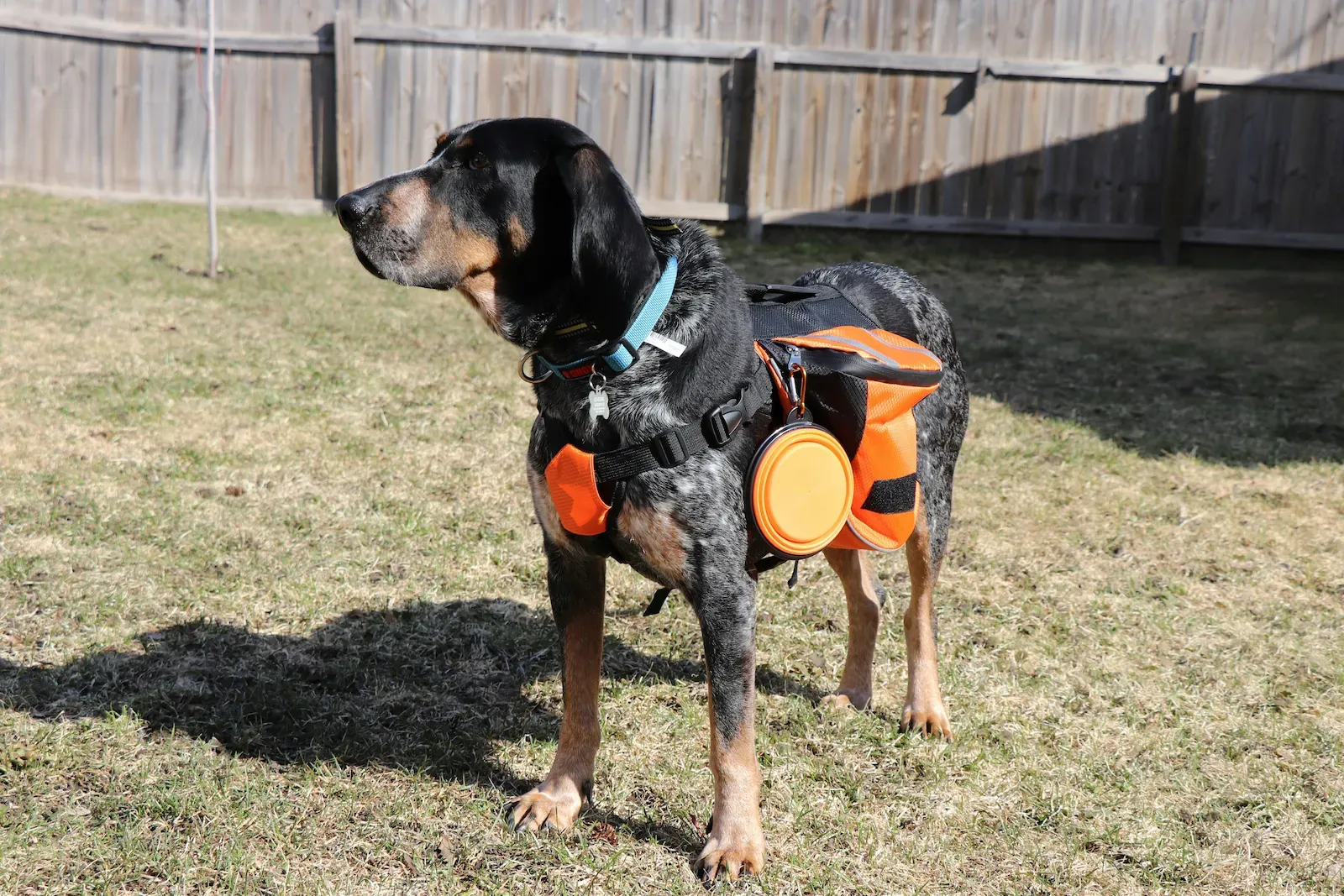
Hydration is essential for dogs on trail—especially in heat or during hard exertion. Maintaining hydration supports performance and reduces health risks.
Why Is Hydration Critical for Dogs on Hiking Trails?
Water maintains energy, helps thermoregulation, and prevents dehydration or heat-related illness. Dogs lose fluid through panting, so provide fresh water and scheduled breaks to keep them safe on hikes.
Which Portable Hydration Gear Works Best for Dogs?
Several portable hydration solutions are available for dogs, including:
- Collapsible Water Bowls: Easy to pack, these bowls allow dogs to drink comfortably during breaks.
- Water Bottles with Built-in Bowls: These innovative designs enable owners to dispense water easily, reducing spills and waste.
- Hydration Packs for Dogs: Specialized packs can carry water and food while allowing the dog to sip from built-in reservoirs.
The right hydration tools make it easy to give your dog regular drinks and sustain their energy on long hikes.
How Do Safe Outdoor Feeding Systems Reduce Risks on Camping Trips?
Safe outdoor feeding systems lower risks on camping trips, letting dogs eat without added hazards.
What Features Ensure Durability and Reliability in Dog Feeding Gear?
Durability and reliability in feeding gear come from features like:
- Material Quality: Use robust, weather-resistant materials to withstand outdoor conditions.
- Usability Features: Design aspects like easy-grip handles or non-slip bases enhance convenience during feeding.
- Maintenance: Equipment that is dishwasher safe or easy to clean helps maintain hygiene, reducing health risks for your dog.
Gear with these features reduces failure risk in the field and gives owners confidence during trips.
How Trail Teck Products Meet Industry Safety Standards
Trail Teck’s outdoor feeding products focus on safety and practical use. They include these design features:
- High-visibility Materials: Ensures your dog's bowl stands out, preventing tripping hazards.
- Ergonomic Designs: Facilitate easy feeding and storage, making outdoor meal times smoother.
- Safety Certifications: Trail Teck products meet industry safety standards, ensuring you can trust the quality and reliability during your adventures.
Knowing these features helps you choose gear that supports safe feeding and a healthier camping experience.
Frequently Asked Questions
1. What should I consider when packing food for my dog on camping trips?
Pack lightweight, nutrient-dense food and pre-portion it in resealable bags or containers. Match portions to trip length and activity level, and favor freeze-dried or dehydrated options when refrigeration is not available.
2. How can I tell if my dog is dehydrated while hiking?
Watch for heavy panting, dry gums, lethargy, or loss of interest in food or play. A skin-tent test—lifting a fold of skin on the neck—can indicate dehydration if it returns slowly. Always provide fresh water on warm or strenuous hikes.
3. Are there specific certifications to look for in portable feeding gear?
Look for safety certifications such as BPA-free labeling or other recognised standards, and choose non-toxic, durable materials intended for outdoor use. Customer reviews can also help verify a product’s reliability and safety record.
4. Can I bring homemade dog food while camping?
You can bring homemade food, but take precautions: ensure meals are balanced, store them in airtight containers, and avoid perishable ingredients without refrigeration. Freezing portions before travel helps keep them safe until use.
5. How often should I feed my dog during long hikes?
On long hikes, feed smaller, more frequent portions—roughly every 4–6 hours—adjusted for age, size, and effort. Monitor hunger and fatigue to fine-tune timing.
6. What are the differences between collapsible and fixed dog bowls for camping?
Collapsible bowls are light and packable, ideal for saving space. Fixed bowls offer more stability but are bulkier and heavier. Choose based on your pack limits and your dog’s comfort while eating.
7. How can I ensure my dog's meals are safe from pests while camping?
Store food in airtight containers and keep them in coolers or elevated where rodents can't reach. Use feeding gear that keeps food off the ground and clean up scraps immediately. When possible, feed away from your main campsite to reduce wildlife attraction.
Conclusion
Equipping your dog with proper meal plans and trail-ready feeding systems supports their health and performance outdoors. Prioritize high-energy, nutrient-dense food and durable, packable bowls to keep them fuelled and safe. Review our product range to find solutions that meet these needs and improve your next trip.